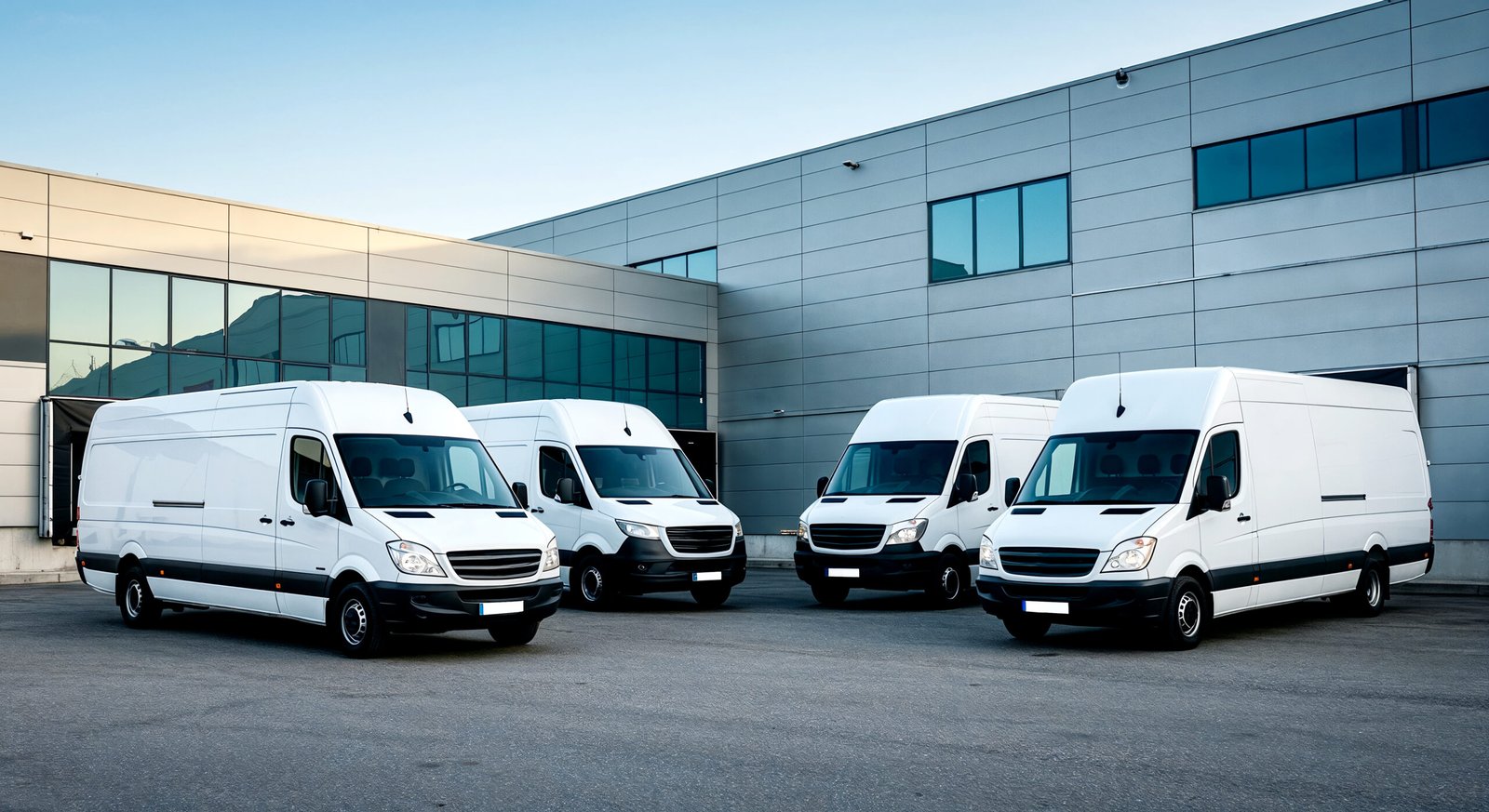
If you have ever left groceries in a parked car in Dubai for even ten minutes during July, you already know how unforgiving UAE summers can be. Now imagine transporting fresh produce, dairy, or frozen goods across the city in that same heat — without the right vehicle. The results can be dangerous, costly, and damaging to your business reputation.
Whether you run a catering business, manage a restaurant supply chain, or simply need to move temperature-sensitive cargo from one emirate to another, understanding how to transport food safely in UAE summer heat is not optional — it is essential.
Why UAE summer heat is a serious threat to food safety
Temperatures in the UAE regularly exceed 45°C (113°F) between June and September. Inside a non-refrigerated van or truck, temperatures can climb even higher — reaching 60°C or more within minutes of parking in direct sunlight.
Food safety experts refer to the range between 4°C and 60°C as the “danger zone.” Within this range, harmful bacteria such as Salmonella, Listeria, and E. coli can double in number every 20 minutes. Perishable food left in a hot vehicle for even a short period can become unsafe to consume, even if it still looks and smells fine on the surface.
For businesses operating in Dubai, Abu Dhabi, or Sharjah, this is not just a health issue — it is a legal one. The UAE Ministry of Climate Change and Environment enforces strict food safety regulations, and transporting spoiled or improperly stored goods can result in penalties, licence issues, and reputational damage.
Understanding temperature requirements by food type
Different foods require different temperature ranges during transport. Here is a quick reference guide:
| Food type | Required temp | Recommended vehicle | Risk without cooling |
|---|---|---|---|
| Fresh produce & vegetables | 2°C – 8°C | Chiller van | High — wilts within hours |
| Dairy & eggs | 1°C – 5°C | Chiller van | Very high — rapid spoilage |
| Raw meat & poultry | 0°C – 4°C | Chiller van with driver | Extreme — bacteria doubles fast |
| Frozen goods & ice cream | -18°C or below | Freezer van | Total loss in minutes |
| Seafood | 0°C – 2°C | Refrigerated van | Very high — odour & decay fast |
| Baked goods & confectionery | 10°C – 18°C | Chiller van (light cooling) | Medium — melts, dries out |
7 practical tips for safe food transport in UAE summer
1. Always use a temperature-controlled vehicle
This is the single most important step. A standard van — even with the AC on full blast — cannot maintain consistent cargo temperatures in UAE summer conditions. The passenger cabin cools, but the cargo area heats up rapidly. A purpose-built chiller van or refrigerated van maintains a sealed, temperature-controlled environment specifically designed for food cargo.
2. Pre-cool the van before loading
Never load food into a warm vehicle and expect the refrigeration unit to catch up quickly. Always run the cooling system for at least 30 minutes before loading cargo. This ensures the interior temperature has already reached the target range when food enters the vehicle, preventing any warm-start period that could compromise product integrity.
3. Monitor temperature throughout the journey
A good refrigerated van comes with a built-in temperature monitoring system, but you should also use an independent thermometer inside the cargo area. Many UAE food businesses now use digital data loggers that track and record temperature history throughout the delivery route — essential if you ever need to prove compliance to a client or regulator.
4. Minimize door openings during stops
Every time the van door opens, warm outside air floods in. In 45°C heat, even a 30-second door opening can raise the interior temperature by several degrees. Train your delivery staff to organise cargo so that the right items are accessible first, reducing the number of times the door needs to be opened or how long it stays open.
5. Plan routes to reduce delivery time
In cities like Dubai and Abu Dhabi, traffic can be unpredictable. Plan deliveries for early morning where possible — both to avoid peak-hour traffic and to take advantage of slightly cooler ambient temperatures. Shorter, more direct routes reduce the time food spends in transit and lower the cumulative stress on your cooling equipment.
6. Package food correctly before loading
Use insulated packaging, cling film, sealed containers, and appropriate crates. Loose or poorly packaged food allows warm air to settle around individual items more easily. Stacking food neatly also allows cold air to circulate efficiently through the cargo, which helps the refrigeration unit maintain consistent temperatures throughout the load.
7. Do not mix frozen and chilled goods in the same compartment
Frozen goods require -18°C or below. Chilled goods need between 2°C and 8°C. Mixing them forces a compromise that works for neither. If your business handles both types, consider a dual-temperature vehicle or make separate deliveries. Some chiller van rental providers in UAE offer multi-compartment vehicles designed exactly for this scenario.
Chiller van vs freezer van — which do you need?
Many businesses are unsure whether they need a chiller van or a freezer van. The difference comes down to the cargo you are carrying and the temperatures required.
Chiller van
2°C – 8°C
- Fresh produce & dairy
- Meat & seafood (short runs)
- Beverages & medicines
- Baked goods & flowers
Freezer van
-18°C or below
- Frozen meats & seafood
- Ice cream & frozen desserts
- Frozen ready meals
- Long-haul frozen cargo
Renting a chiller van in UAE — what to look for
If your business does not own refrigerated vehicles, renting a chiller van in Dubai or Abu Dhabi is the most practical and cost-effective solution. When choosing a chiller van rental provider, look for:
- A well-maintained fleet with recent servicing records
- Vehicles that meet UAE food transport regulations
- Option to hire with an experienced driver familiar with Dubai and Abu Dhabi routes
- Flexible rental terms — daily, weekly, or monthly
- GPS tracking and temperature monitoring included
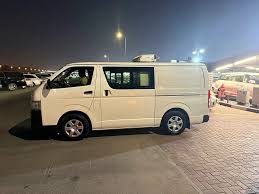
- Toyota HiAce or similar reliable models for urban deliveries
At Chiller Van Rental UAE, we offer a full range of refrigerated transport solutions across Dubai, Abu Dhabi, and Sharjah. Whether you need a small Toyota HiAce chiller van for a single delivery or a larger refrigerated truck for bulk cargo, we have vehicles ready at short notice.
Conclusion
Transporting food safely in UAE summer heat requires the right vehicle, the right practices, and the right partner. With temperatures that can destroy a shipment in minutes, there is simply no room for shortcuts when it comes to cold chain logistics.
Whether you are delivering fresh produce across Dubai, moving frozen goods between Abu Dhabi and Sharjah, or catering for a large event, a reliable chiller van rental is the foundation of a safe and professional operation.

Frequently asked questions
How long can food stay safe without refrigeration in UAE summer?
In UAE summer temperatures, perishable food should not go without refrigeration for more than 30 minutes. Beyond that, bacteria growth enters a dangerous phase. For any professional food delivery, temperature-controlled transport is mandatory — not optional.
What is the difference between a chiller van and a refrigerated van?
Both terms refer to vehicles with built-in refrigeration units. “Chiller van” typically refers to vehicles maintaining 2°C to 8°C (for fresh goods), while “refrigerated van” is a broader term that covers both chilled and frozen transport. In UAE usage, the terms are often used interchangeably.
Is it legal to transport food in a regular van in Dubai?
For non-perishable, packaged foods, a regular van may be acceptable. However, for perishable items including fresh produce, dairy, meat, and seafood, UAE food safety regulations require temperature-controlled transport. Operating without proper refrigeration can result in fines or licence suspension.
Can I rent a chiller van with a driver in Dubai?
Yes. Most chiller van rental companies in Dubai offer vehicles with experienced drivers who understand local delivery routes, traffic patterns, and food handling best practices. Hiring with a driver is recommended for businesses new to cold chain logistics in the UAE.
How much does chiller van rental cost in Dubai?
Chiller van rental prices in Dubai vary based on vehicle size, rental duration, and whether a driver is included. Daily rates typically start from AED 250 for a small HiAce chiller van. Monthly contracts offer significantly better value for businesses with regular delivery needs.