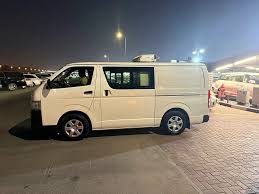
Abu Dhabi’s healthcare sector operates at a pace that leaves zero room for error. Medicines, vaccines, blood samples, surgical equipment, and diagnostic kits — every item that moves between a warehouse and a hospital ward has a temperature limit. Go even slightly above it, and you are not just wasting stock. You are putting patients at risk.
That is exactly why hospitals, pharmacies, and medical distributors across Abu Dhabi depend on dedicated chiller vans to transport their supplies. Not regular cargo vans — temperature-controlled vehicles built specifically for the cold chain. If your facility needs a reliable solution for medical cold transport, this guide covers everything you need to know before you book.
Why temperature control matters in medical logistics
Most people think of chiller vans in the context of food delivery. But in Abu Dhabi’s healthcare supply chain, they are just as critical — if not more so. A box of spoiled mangoes is a loss. A batch of compromised vaccines or insulin can directly harm a patient.
Medical products are governed by strict temperature bands. Most medicines need to stay between +2°C and +8°C throughout transport. Frozen biologics, certain vaccines, and plasma products require temperatures as low as −18°C or below. In a city where summer heat regularly crosses 45°C, a standard delivery van offers no protection at all.
A properly equipped chiller van maintains the required cold zone from the moment supplies are loaded to the moment they arrive at a hospital, clinic, or pharmacy — no breaks, no fluctuations. That unbroken chain is what Good Distribution Practice (GDP) compliance is built around, and it is the standard any serious medical logistics provider in Abu Dhabi must follow.
What types of medical supplies can a chiller van carry?
A refrigerated medical van is not limited to one type of cargo. Hospitals and medical distributors in Abu Dhabi regularly use chiller vans to transport the following:
| Vaccines & biologics +2°C to +8°C strict range | Prescription medicines Insulin, oncology drugs, antibiotics | Lab specimens Blood, tissue, diagnostic samples |
| Blood & plasma products Critical storage sensitivity | Surgical supplies Sterile kits, reagents, implants | Dental & diagnostic products Temperature-sensitive kits |
Whether it is a single shipment from a pharmaceutical warehouse in Mussafah to a clinic in Khalifa City, or a multi-stop route covering several SEHA hospitals across Abu Dhabi, the right chiller van keeps everything compliant and safe in transit.
Chiller van vs standard van: a quick comparison for medical transport
| Feature | Chiller Van | Standard Cargo Van |
|---|---|---|
| Temperature control | +2°C to +8°C maintained | None — ambient (40°C+) |
| Real-time monitoring | Digital temperature logs | Not available |
| GDP compliance | Yes | No |
| Suitable for vaccines | Yes | No |
| HACCP-compliant interior | Yes | No |
| Approved for pharma transport | Yes | Not permitted |
Areas we serve across Abu Dhabi
Our chiller van service covers every major healthcare zone and industrial district in Abu Dhabi. If your hospital or distribution centre is located in any of the following areas, we can provide same-day or scheduled cold chain delivery:
- Mussafah Industrial Area (M-1 to M-45)
- Khalifa City and Mohamed Bin Zayed City
- Abu Dhabi Island — including government hospitals and clinics
- ICAD (Industrial City of Abu Dhabi)
- KIZAD (Khalifa Industrial Zone)
- Al Ain Road corridor and Al Ain city
- Yas Island and Saadiyat Island health facilities
- Reem Island and Al Raha medical centres
We also provide inter-emirate routes, including Abu Dhabi to Dubai and Abu Dhabi to Sharjah, with continuous temperature maintenance and GPS tracking throughout the journey.
What to look for when hiring a chiller van for medical use in Abu Dhabi
Not every cold transport provider is equipped for pharmaceutical or hospital-grade logistics. Before you confirm a booking, here are the key things to verify:
GDP compliance. Good Distribution Practice is the international standard for pharmaceutical transport. Your provider should be able to confirm that their vehicles and processes meet GDP requirements, including documented temperature logs for every delivery.
HACCP-certified interiors. The cargo area must be clean, sealed, and built to HACCP standards — not a converted food van with a portable cooler inside.
Real-time temperature monitoring. Modern chiller vans come with digital sensors that track the internal temperature throughout the trip. You should be able to request a temperature report after every delivery.
Backup cooling systems. If the primary refrigeration unit fails mid-route in Abu Dhabi’s summer heat, you need a backup. Always ask whether the vehicle has a secondary system or an emergency response plan.
Experienced, trained drivers. Drivers transporting medical supplies should understand cold chain handling protocols — no unnecessary door openings, proper loading sequence, and awareness of temperature exposure limits.
How much does a medical chiller van rental cost in Abu Dhabi?
Pricing depends on the vehicle size, rental duration, and delivery distance. As a general guide for Abu Dhabi medical transport:
| Van size | Capacity | Est. daily rate | Best for |
|---|---|---|---|
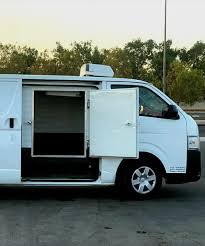
| Hiace chiller van | 1–1.5 tons | AED 250 – 350 | Small clinics, pharmacies |
| High-roof chiller van | 2–3 tons | AED 350 – 500 | Hospital supply runs |
| Chiller truck (3–5 ton) | 3–5 tons | AED 600 – 900 | Distributors, inter-emirate |
Monthly contracts often come at a significant discount compared to daily rates. If your hospital or pharmacy needs regular cold chain runs, a dedicated monthly arrangement is typically more cost-effective than booking on demand.
Conclusion
Medical cold chain logistics in Abu Dhabi is not an area where cutting corners makes sense. The consequences of a temperature break — a spoiled vaccine batch, compromised blood samples, degraded medication — go well beyond financial loss. They affect patient safety directly.
Whether you manage a hospital supply chain, run a pharmaceutical distribution operation, or oversee cold storage for a clinic network, having a dependable chiller van partner in Abu Dhabi means your supplies arrive exactly as they left — safe, stable, and compliant.
Frequently asked questions
What temperature does a chiller van maintain for medical supplies?
Most pharmaceutical products require a range of +2°C to +8°C. For frozen biologics or plasma, the van can be set to −18°C or lower. Always specify your product’s temperature requirements when booking so the right vehicle is assigned.
Is chiller van rental for medical transport available 24/7 in Abu Dhabi?
Yes. Hospitals and clinics often need emergency deliveries outside regular business hours. Reputable cold chain providers in Abu Dhabi maintain 24/7 availability for medical and pharmaceutical transport.
Do chiller vans used for medical transport need special permits in Abu Dhabi?
Pharmaceutical transport must comply with Abu Dhabi Health Authority (HAAD) guidelines and UAE Ministry of Health regulations. A certified provider will already have the necessary approvals and compliant vehicles in their fleet.
Can a chiller van transport both chilled and frozen medical products on the same trip?
Generally, a single-temperature-zone van cannot safely mix chilled (+2°C to +8°C) and frozen (−18°C) products. For mixed loads, ask about dual-zone refrigerated vehicles or separate vehicles per product type.
How do I verify that temperature was maintained during delivery?
A GDP-compliant chiller van will generate a digital temperature log for the entire journey. Request this report after each delivery — it should show a continuous record from loading to drop-off.