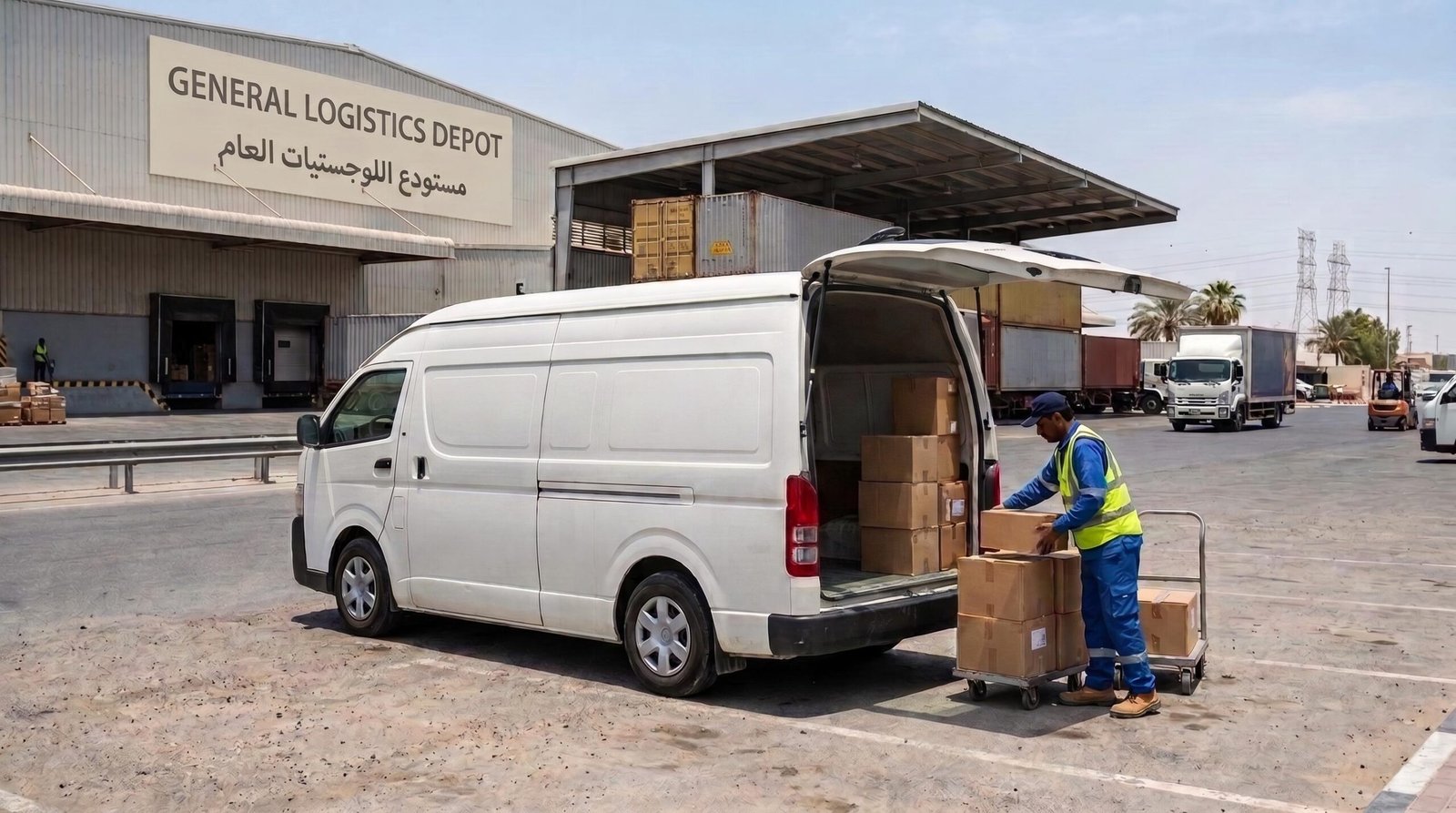
Dubai has become one of the busiest pharmaceutical hubs in the Middle East, connecting manufacturers in Europe, Asia, and North America with hospitals, clinics, and pharmacies across the Gulf region. But moving medicines through this network isn’t as simple as loading a truck and driving off. Vaccines, biologics, insulin, and countless other drugs are extremely sensitive to temperature. A few hours outside their required range can render an entire shipment useless or worse, unsafe. That’s why pharmaceutical cold chain transport in Dubai has grown into a highly specialized, tightly regulated industry of its own.
What Is Pharmaceutical Cold Chain Transport?
Cold chain transport refers to the unbroken, temperature-controlled journey a pharmaceutical product takes from the moment it leaves the manufacturing facility until it reaches the end user. Depending on the product, this might mean keeping items between 2°C and 8°C for standard refrigeration, -20°C for frozen biologics, or even ultra-low temperatures around -70°C for certain vaccines.
In Dubai’s climate, where outdoor temperatures regularly exceed 40°C in summer, maintaining these ranges during transport, storage, and last-mile delivery is a serious logistical challenge. Every link in the chain trucks, warehouses, airport handling, customs clearance, and final delivery has to work together without a single break in temperature control.
Why Dubai Is a Strategic Cold Chain Hub
Dubai’s position as a global logistics gateway makes it uniquely suited for pharmaceutical distribution. A few reasons stand out:
- Geographic location: Dubai sits within an eight-hour flight of two-thirds of the world’s population, making it ideal for regional pharma distribution.
- World-class infrastructure: Facilities like Dubai South and DXB Cargo operate dedicated pharma zones with GDP-certified handling.
- Free zone advantages: Areas such as Dubai Airport Freezone (DAFZA) and Jebel Ali Free Zone (JAFZA) offer streamlined customs processes for temperature-sensitive goods.
- Growing healthcare demand: The UAE’s expanding hospital network and health tourism sector are driving increased pharmaceutical imports and distribution needs.
Key Components of a Reliable Cold Chain System
1. Temperature-Controlled Warehousing
Before medicines ever reach a truck, they’re stored in climate-controlled warehouses equipped with backup power, real-time monitoring, and validated storage zones for different temperature bands.
2. Refrigerated Transport (Reefer Trucks)
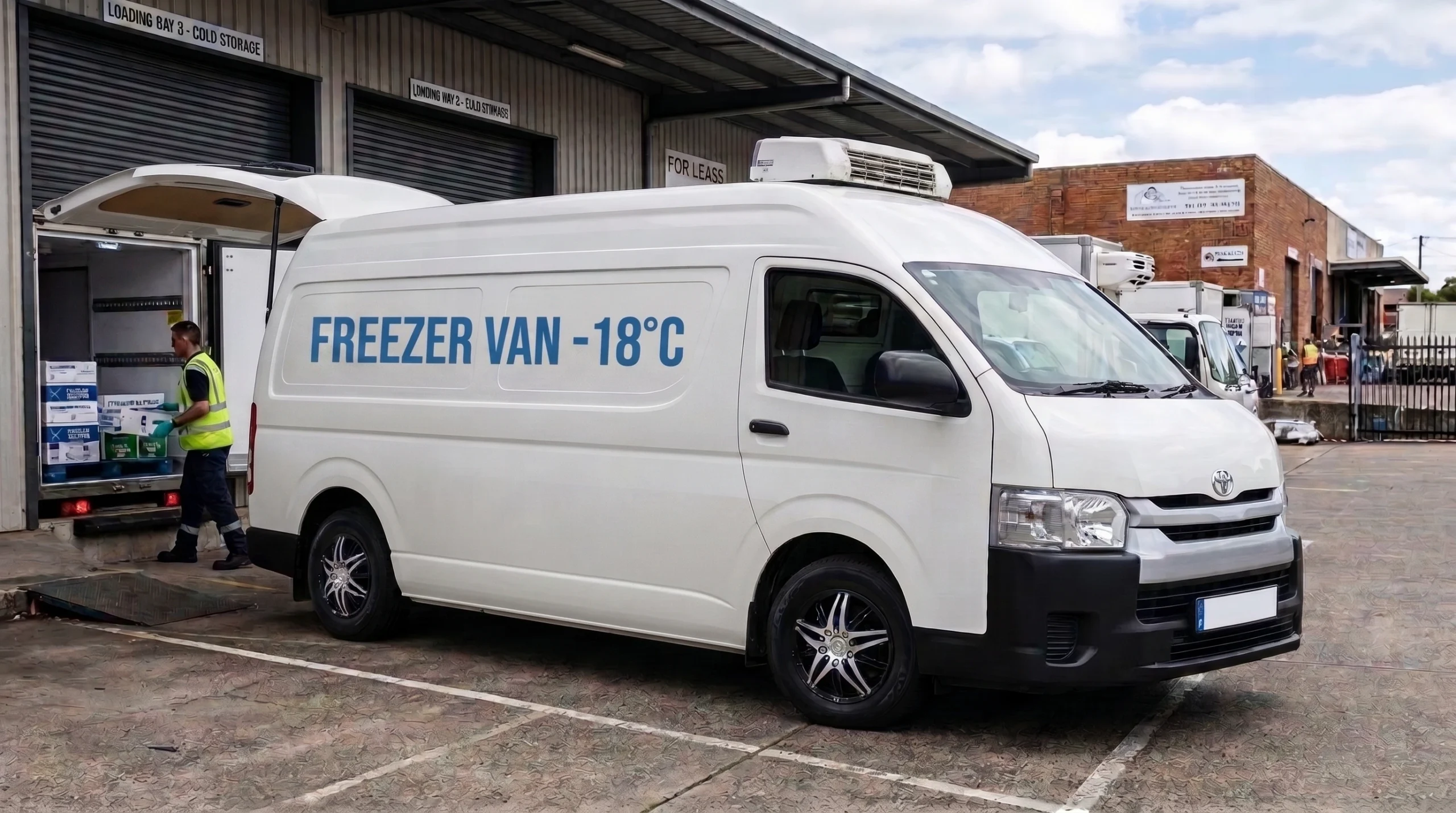
Specialized reefer vehicles maintain precise internal temperatures regardless of outside heat. These trucks are fitted with data loggers that record temperature continuously throughout the journey, creating an auditable trail.
3. Airport and Customs Handling
Dubai International Airport has dedicated pharma handling zones where shipments move quickly between aircraft and cold storage, minimizing exposure time. Fast-tracked customs clearance further reduces the risk of temperature excursions.
4. Real-Time Monitoring and IoT Sensors
Modern cold chain providers use GPS-enabled sensors and cloud dashboards to track temperature, humidity, and location in real time. Alerts are triggered instantly if conditions drift outside safe limits, allowing corrective action before product quality is compromised.
5. Last-Mile Delivery
The final delivery stretch from distribution center to hospital or pharmacy is often the riskiest part of the journey. Insulated packaging, gel packs, and dedicated cold vans are commonly used to protect products during this stage.
Regulatory Compliance: GDP and Beyond
Any company handling pharmaceutical logistics in Dubai must comply with Good Distribution Practice (GDP) guidelines, along with standards set by the Dubai Health Authority (DHA) and UAE Ministry of Health and Prevention (MOHAP). These frameworks require:
- Documented temperature mapping and validation
- Trained personnel handling temperature-sensitive goods
- Calibrated monitoring equipment
- Contingency plans for power outages or vehicle breakdowns
- Full traceability documentation for every shipment
Non-compliance isn’t just a regulatory risk it can compromise patient safety and lead to significant financial losses from spoiled inventory.
Common Challenges in Dubai’s Pharma Cold Chain
Even with advanced infrastructure, cold chain logistics in Dubai face real challenges:
- Extreme heat: Ground handling and loading/unloading in high temperatures require fast, efficient processes to limit exposure.
- Peak demand surges: Seasonal vaccine rollouts or pandemic-related shipments can strain capacity.
- Last-mile complexity: Delivering to remote clinics or across congested urban areas adds risk.
- Equipment failure: Power interruptions or refrigeration unit malfunctions can jeopardize entire shipments if backup systems aren’t in place.
Providers who invest in redundancy backup generators, dual-monitoring systems, and trained response teams are far better positioned to handle these risks.
Choosing the Right Cold Chain Logistics Partner
For pharmaceutical companies, hospitals, and distributors operating in Dubai, choosing the right logistics partner is critical. Look for providers that offer:
- GDP and ISO-certified facilities
- Validated fleet of refrigerated vehicles
- 24/7 real-time shipment tracking
- Proven experience with vaccines, biologics, and controlled substances
- Transparent documentation and audit trails
- Rapid response protocols for temperature deviations
A partner with strong regional experience understands both the technical requirements and the practical realities of moving temperature-sensitive goods through Dubai’s climate and customs environment.
The Future of Cold Chain Logistics in Dubai
As the UAE continues to position itself as a global healthcare and pharmaceutical hub, cold chain infrastructure is only expected to grow more sophisticated. Investments in automation, AI-driven predictive monitoring, and expanded cold storage capacity are already reshaping how pharmaceutical goods move through the region. Companies that adopt these technologies early will be better equipped to meet rising demand while maintaining the strict compliance standards patients depend on.
Final Thoughts
Pharmaceutical cold chain transport in Dubai is far more than a logistics service it’s a critical link in the healthcare system that protects the safety and efficacy of life-saving medicines. From temperature-controlled warehousing to real-time monitoring and GDP-compliant handling, every step matters. For businesses operating in this space, partnering with an experienced, well-equipped cold chain provider isn’t optional it’s essential.
Frequently Asked Questions (FAQs)
1. What temperature range is required for pharmaceutical cold chain transport?
Most pharmaceuticals require storage between 2°C and 8°C, though some biologics and vaccines need frozen (-20°C) or ultra-low (-70°C) conditions depending on the product.
2. Why is cold chain logistics especially challenging in Dubai?
Dubai’s extreme summer heat, often exceeding 40°C, makes maintaining consistent low temperatures during loading, transport, and last-mile delivery significantly more difficult than in cooler climates.
3. What certifications should a pharma logistics provider in Dubai have?
Look for GDP (Good Distribution Practice) compliance, ISO certifications, and approval from regulatory bodies like the Dubai Health Authority (DHA) or UAE Ministry of Health and Prevention (MOHAP).
4. How is temperature monitored during transport?
Providers typically use IoT-enabled data loggers and GPS sensors that track temperature and location in real time, with automatic alerts if conditions move outside the approved range.
5. What happens if a temperature excursion occurs during shipment?
A compliant provider will have documented contingency protocols, including immediate corrective action, product quarantine, and full reporting to determine whether the shipment remains safe for use.