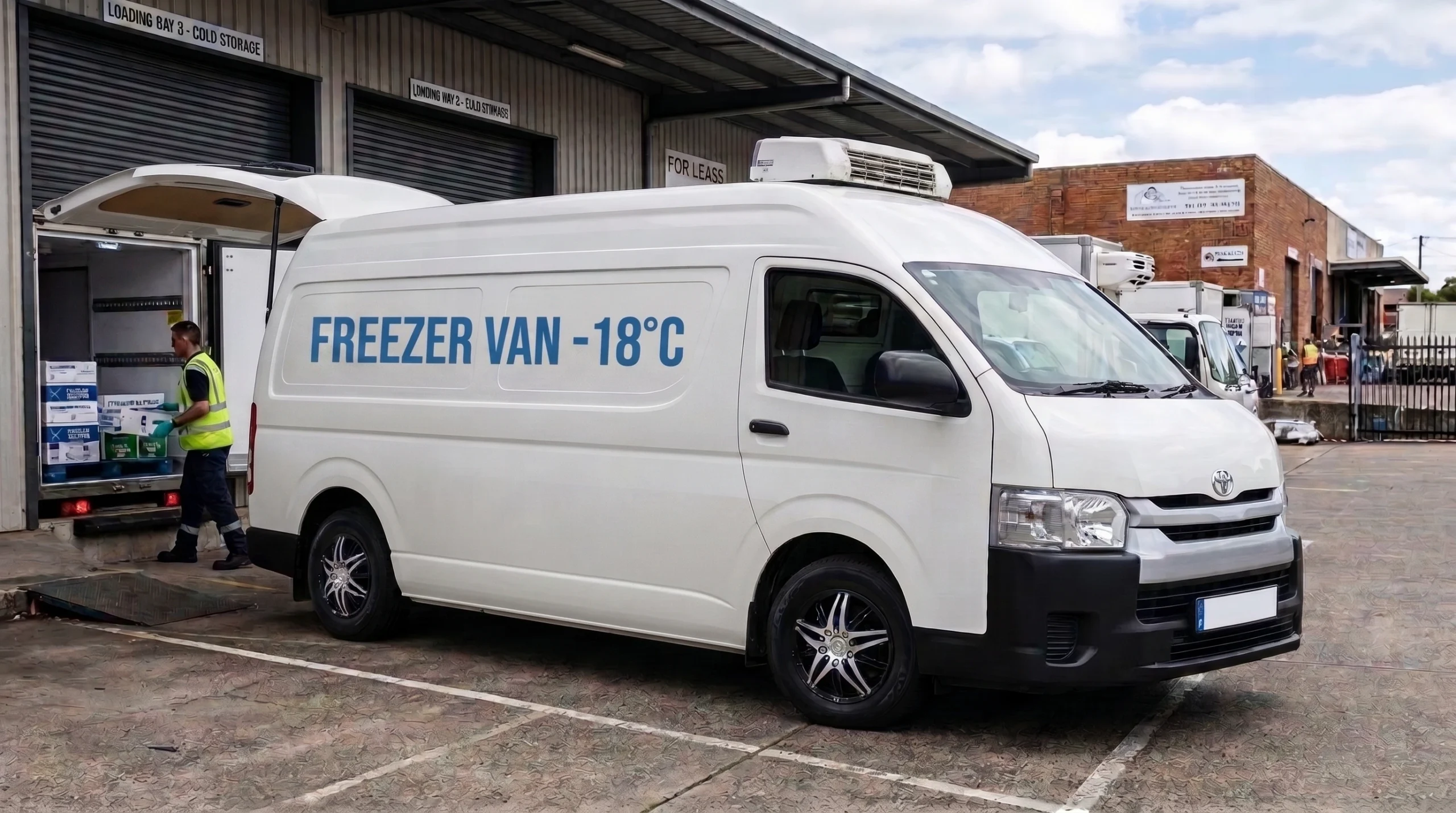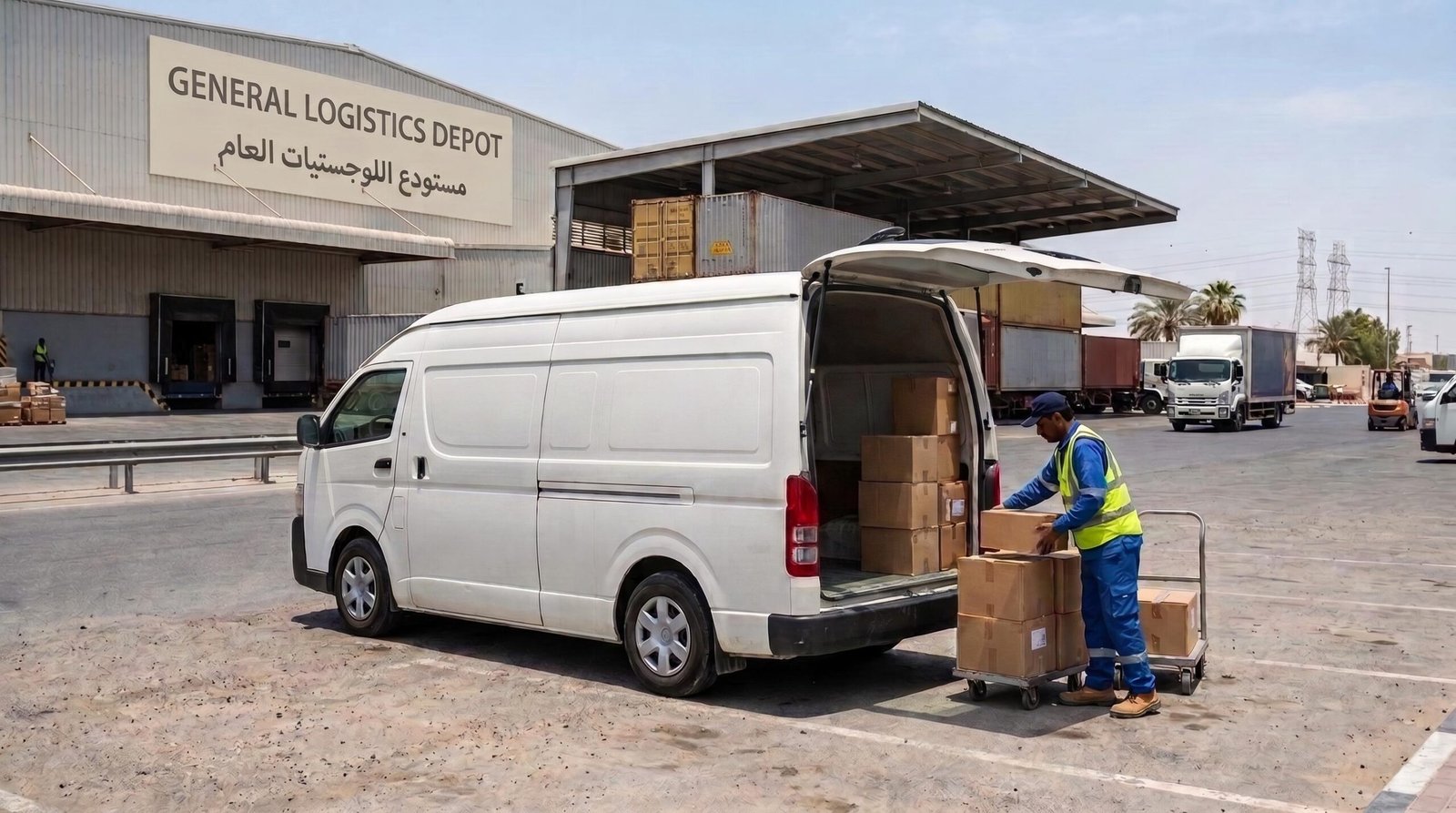
Picking the right chiller van size is one of the most important decisions a food, pharma, or perishables business will make. Choose too small a van, and you will constantly run out of space, make extra trips, and burn through fuel and labor costs. Choose too large a van, and you will pay for capacity you never use, while also struggling to maintain even cooling in a half-empty cargo box. This guide breaks down exactly how to size a chiller van correctly, so you get efficient deliveries, lower running costs, and products that stay fresh from pickup to drop-off.
Why Chiller Van Size Matters So Much
A chiller van is not just a regular van with a cooling unit bolted on. The size of the cargo area directly affects how evenly the refrigeration unit can circulate cold air, how much stock you can move per trip, and how quickly the van reaches its target temperature after the doors open and close at each stop. An undersized van forces frequent reloading and increases spoilage risk from repeated door openings. An oversized van wastes diesel or electric power cooling empty air space, and can actually cause temperature swings because the airflow design was built for a fuller load.
Getting the size right from day one saves money on fuel, maintenance, and product loss for years of operation.
Step 1: Calculate Your Actual Daily Load Volume
Start with real numbers, not guesses. List out:
- Average daily or per-trip cargo volume (in cubic feet or cubic meters)
- Weight of goods per trip, including packaging and pallets
- Peak season volume versus average volume
Most businesses undersize because they plan around an average day and forget peak periods like holidays, weekends, or seasonal demand spikes. A good rule of thumb is to size your van for your busiest realistic day, not your average day, then rent or lease a second vehicle only for extreme outliers.
Step 2: Match Van Size to Cargo Type
Different goods need different amounts of usable space because of how they are packed and stacked.
- Small vans (light commercial, under 5 cubic meters): Ideal for bakery items, dairy delivery to local shops, small catering runs, or pharmacy cold-chain deliveries with light daily volume.
- Medium vans (5 to 12 cubic meters): Best for restaurant supply runs, meat and seafood distribution, multi-stop grocery delivery, and small-to-mid wholesale routes.
- Large vans and box trucks (12 cubic meters and above): Suited to supermarket chain distribution, large-scale catering, bulk frozen food transport, and long-haul cold chain logistics.
If your goods are irregularly shaped, such as crated produce or hanging meat, you will need extra clearance height and width beyond the raw volume calculation, so always check usable interior dimensions, not just advertised cargo capacity.
Step 3: Factor In Multi-Temperature Needs
Many businesses transport goods that need different temperature zones in the same trip, such as frozen items alongside chilled dairy. If this applies to you, you have two options:
- A larger van with a multi-compartment insulated partition system
- Two separate smaller chiller vans running different temperature settings
Multi-compartment vans cost more upfront but often save money over running two separate vehicles, especially for routes with mixed product types.
Step 4: Consider Route Length and Door-Opening Frequency
A van making twenty short stops loses cold air every time the doors open. For high-frequency delivery routes, it often makes sense to size up slightly so the refrigeration unit can recover temperature faster between stops, and to consider a van with rear and side doors so you are not opening the entire cargo area at every drop.
For long-haul, single-destination routes, a tightly sized van that matches the load closely will maintain temperature more efficiently since the door only opens once or twice for the whole trip.
Step 5: Check Payload Capacity, Not Just Cargo Volume
Cold chain goods are often dense and heavy, such as meat, dairy, or bottled beverages. A van can look spacious enough by volume but still be limited by its maximum payload weight. Always check the manufacturer’s payload rating and compare it against your heaviest realistic load, including pallets, packaging, and ice or gel packs if used as backup cooling.
Step 6: Plan for Growth, Not Just Today
If your business is growing, size slightly above your current needs rather than exactly to them. Buying or leasing a van that fits your volume from twelve months ago often means an upgrade is needed within a year or two. A small buffer in capacity, typically ten to twenty percent above current peak volume, gives room to grow without an immediate re-fleet.
Step 7: Weigh Ownership Costs Against Van Size
Larger vans cost more to buy or lease, use more fuel, and often have higher insurance and maintenance costs. Before committing to a size, compare:
- Purchase or lease price across size tiers
- Fuel or energy consumption estimates
- Refrigeration unit running costs for each size class
- Resale value trends for that van class
Sometimes a mid-size van paired with slightly more frequent trips is cheaper overall than a large van running under-loaded most days.
Quick Sizing Checklist
- Measure your busiest realistic daily volume, not the average
- Match cargo type to usable interior dimensions, not just listed capacity
- Decide if you need multi-temperature zones
- Account for route stops and door-opening frequency
- Confirm payload weight limits against your heaviest load
- Add a growth buffer of ten to twenty percent
- Compare total ownership cost across size options, not just sticker price
Following these steps will help you land on a chiller van size that keeps products fresh, keeps routes efficient, and keeps costs under control for years to come.
Conclusion
Choosing the right chiller van size for your business is essential for maintaining product quality, improving delivery efficiency, and controlling operational costs. By carefully evaluating your load capacity, delivery frequency, product type, and budget, you can select a van that perfectly aligns with your business needs. A well-sized chiller van not only ensures reliable temperature control but also maximises space utilisation and fuel efficiency. Ultimately, investing in the right size helps streamline logistics, enhance customer satisfaction, and support long-term business growth.

Frequently Asked Questions
1. What size chiller van do I need for a small food delivery business?
Most small food delivery businesses do well with a van under 5 cubic meters of cargo space, which comfortably handles daily runs to local shops, cafes, or a handful of restaurant clients.
2. How do I know if my chiller van is too small?
Signs include frequent reloading mid-route, running multiple trips to cover one delivery zone, and consistently packing the van beyond comfortable capacity, which can restrict airflow and cause uneven cooling.
3. Can one chiller van handle both frozen and chilled goods?
Yes, but only if it has a multi-compartment insulated partition system designed for dual temperature zones. Without this, mixing frozen and chilled goods in one uninsulated space leads to temperature control problems.
4. Does a bigger chiller van mean better temperature control?
Not necessarily. Oversized vans running under-loaded can actually struggle with even cooling, since the refrigeration system is often calibrated for a fuller cargo load.
5. How often should I reassess my chiller van size as my business grows?
Review your load volumes and route patterns every six to twelve months, or immediately after any significant increase in order volume, to catch capacity issues before they affect service quality.