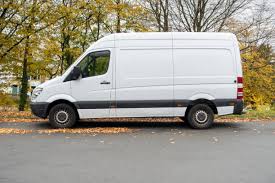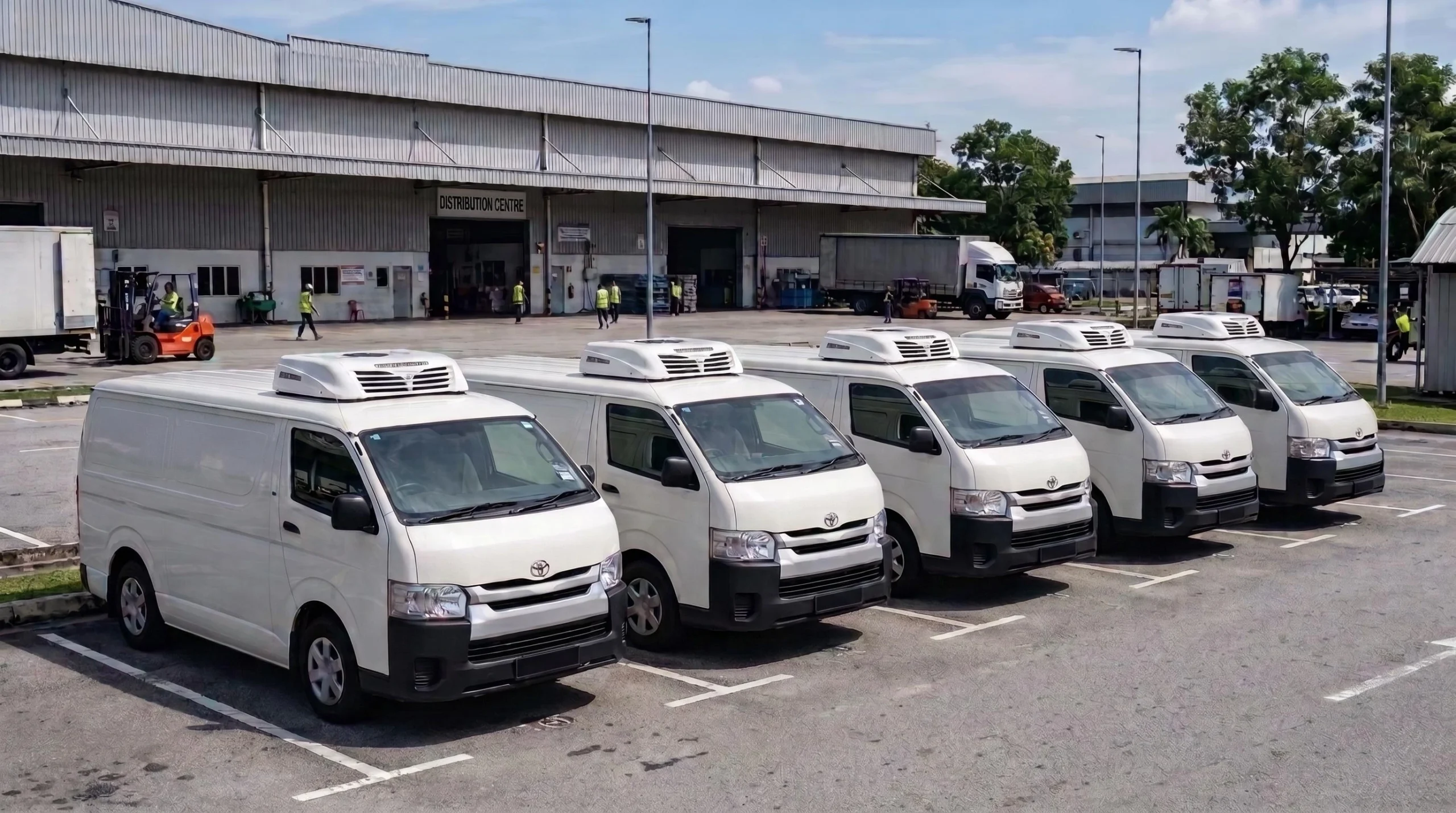
If your business deals with perishable goods, you’ve probably come across two common terms: chiller van and freezer van. At first glance, they might sound like the same thing both are refrigerated vehicles, right? Not quite. While they share a similar purpose (keeping goods at the right temperature during transport), they operate very differently and are built for different jobs.
Choosing the wrong one can lead to spoiled stock, failed deliveries, and unhappy customers. In this guide, we’ll break down exactly what separates a chiller van from a freezer van, when to use each, and how to pick the right option for your business.
What Is a Chiller Van?
A chiller van is a refrigerated vehicle designed to keep goods cool, typically between 0°C and 8°C. It’s built for items that need to stay fresh but not frozen. Think of it as a mobile refrigerator rather than a mobile freezer.
Chiller vans are commonly used for:
- Fresh produce (fruits and vegetables)
- Dairy products like milk, cheese, and yogurt
- Beverages and bottled drinks
- Bakery items
- Flowers and plants
- Short-shelf-life pharmaceuticals
Because chiller vans maintain a milder temperature range, they’re often more energy-efficient and cost-effective for goods that simply need to stay cool during a same-day or short-distance delivery.
What Is a Freezer Van?
A freezer van, on the other hand, is built to hold items well below freezing point, usually between -18°C and -25°C. These vans use more powerful refrigeration units to sustain much colder internal temperatures, even in hot outdoor conditions.
Freezer vans are typically used for:
- Frozen meat, poultry, and seafood
- Ice cream and frozen desserts
- Frozen ready meals and packaged frozen foods
- Certain vaccines and biological samples
- Ice and specialty frozen products
Because they need to maintain sub-zero temperatures for longer durations, freezer vans are generally more expensive to run and maintain compared to chiller vans.
Key Differences Between Chiller Van and Freezer Van
1. Temperature Range
The biggest difference lies in the temperature. Chiller vans operate in the cool zone (0°C to 8°C), while freezer vans operate in the deep-freeze zone (-18°C to -25°C or lower).
2. Refrigeration Equipment
Freezer vans require heavier-duty compressors and insulation to sustain freezing temperatures, especially during long trips or hot weather. Chiller vans use lighter refrigeration systems since they don’t need to fight against freezing thresholds.
3. Use Case
Chiller vans suit fresh, short-shelf-life goods. Freezer vans are essential for items that must remain frozen solid to avoid bacterial growth or spoilage, such as raw meat or seafood.
4. Fuel and Running Costs
Freezer vans consume more fuel and energy because their compressors work harder to maintain lower temperatures. This makes them costlier to operate over time.
5. Vehicle Insulation
Freezer vans typically have thicker wall insulation to prevent temperature loss, whereas chiller vans can operate efficiently with standard-grade insulation.
6. Loading and Unloading Time
Freezer vans are more sensitive to temperature fluctuations during loading and unloading. Frequent door openings can cause internal temperature spikes, which is riskier for frozen goods than for chilled goods.
Which One Does Your Business Need?
Here’s a simple way to decide:
- Choose a chiller van if you’re transporting fresh produce, dairy, beverages, or bakery goods that need to stay cool but not frozen.
- Choose a freezer van if you’re transporting frozen meat, seafood, ice cream, or any product that must remain below freezing to stay safe for consumption.
Some businesses especially in food distribution actually need both types of vans depending on the product line. If your delivery fleet handles a mix of fresh and frozen goods, it’s worth investing in both vehicle types or partnering with a logistics provider that offers both options.
Cost Comparison
Generally speaking, freezer vans cost more than chiller vans in three areas:
- Purchase or rental price due to stronger refrigeration units
- Fuel consumption sub-zero cooling demands more power
- Maintenance freezer compressors undergo more wear and tear
If your product doesn’t require freezing, opting for a chiller van can save significant operating costs over time.
Final Thoughts
While chiller vans and freezer vans might look similar on the outside, their internal systems and purposes are quite different. A chiller van keeps goods fresh and cool, while a freezer van locks in sub-zero temperatures to preserve frozen products. Understanding this difference is critical for businesses in food delivery, pharmaceuticals, and cold chain logistics the wrong choice can compromise product quality and safety.
Before booking or investing in a refrigerated vehicle, always match the van type to your product’s specific temperature requirements. Doing so ensures safer deliveries, lower costs, and happier customers.
Frequently Asked Questions (FAQs)
1. Can a chiller van be used to transport frozen goods?
No, a chiller van only maintains temperatures between 0°C and 8°C, which is not cold enough to keep frozen goods solid. Using a chiller van for frozen products can cause them to partially thaw and spoil.
2. Is a freezer van more expensive to rent than a chiller van?
Yes, freezer vans generally cost more to rent or operate because they require stronger refrigeration units and consume more fuel to maintain sub-zero temperatures.
3. What temperature does a freezer van maintain?
A freezer van typically maintains temperatures between -18°C and -25°C, though some specialized units can go even lower depending on the cargo requirements.
4. Do chiller vans and freezer vans use the same refrigeration technology?
They use similar refrigeration principles but different equipment strength. Freezer vans need heavier-duty compressors and thicker insulation to sustain much colder temperatures compared to chiller vans.
5. How do I know which van my business needs?
It depends on your product. If your goods need to stay fresh but not frozen (like dairy or produce), a chiller van is sufficient. If your goods must remain frozen solid (like meat or ice cream), you need a freezer van.