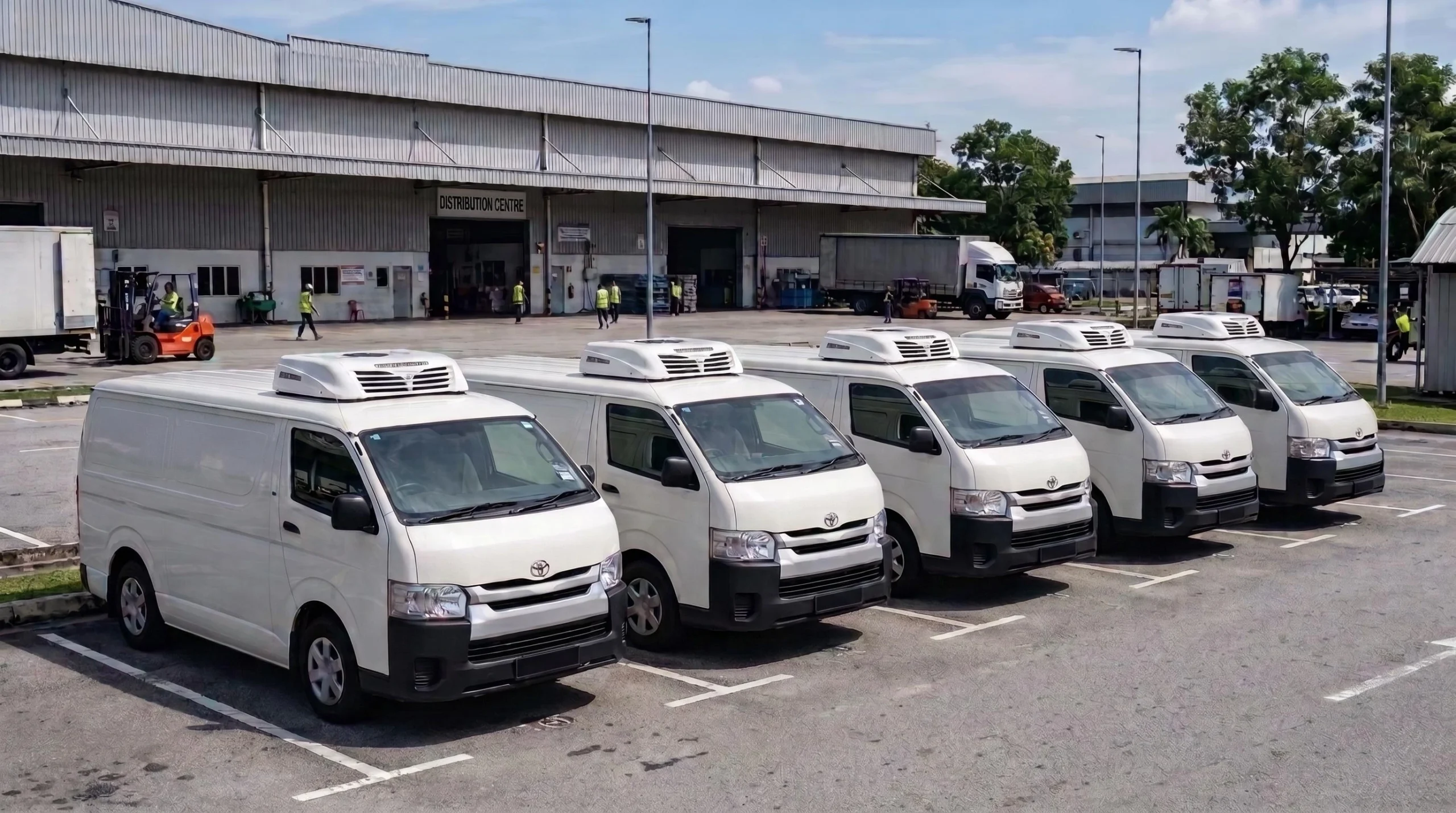
Across the UAE, industries that depend on perishable goods — food manufacturers, pharmaceutical companies, FMCG distributors, and catering businesses — all share one critical need: a cold chain that never breaks. And at the heart of that cold chain is the humble, indispensable chiller truck.
If you’re searching for reliable chiller truck rental in the UAE, this guide is written for you. We’ll cover what to look for, who needs it, how pricing works, and how to avoid the costly mistakes that leave businesses with spoiled stock and unhappy customers.
Who actually needs a chiller truck in the UAE?
The demand for refrigerated truck hire across the UAE is growing fast — and it spans a much wider range of industries than most people expect. Yes, food businesses are the most obvious users, but the need goes far beyond supermarkets and restaurants.
- Food manufacturers and processors moving chilled or frozen products between production facilities and distribution hubs.
- Pharmaceutical companies transporting vaccines, biologics, and temperature-sensitive medicines that require strict cold chain documentation.
- FMCG distributors delivering dairy, beverages, and ready meals to retailers across Dubai, Abu Dhabi, Sharjah, and beyond.
- Catering and events businesses that need to transport large quantities of prepared food without compromising safety or quality.
- Floral and horticulture suppliers keeping fresh flowers at the right temperature during transit across the Emirates.
Whether you need a single refrigerated truck for a week or a fleet of temperature-controlled vehicles on a long-term contract, the UAE rental market has options designed to fit.
UAE climate and cold chain: why the stakes are so high
The UAE is one of the hottest countries on Earth. During peak summer months, outdoor temperatures in Dubai and Abu Dhabi can hit 48°C. For any cargo that needs to stay below 8°C — or far colder for frozen goods — a standard truck is simply not an option.
Even a 20-minute delay in a non-refrigerated vehicle can push product temperatures into the danger zone, triggering bacterial growth and rendering goods unsafe or unsellable. In a market where food safety standards are tightly regulated and customer expectations are high, this is not a risk any serious business can afford to take.
Renting a properly maintained chiller truck in the UAE eliminates that risk at the source. The cargo bay maintains its set temperature regardless of external conditions, and modern units come equipped with digital temperature loggers that create a complete audit trail for every journey.
Chiller truck sizes and what they’re used for
Choosing the right vehicle size is as important as choosing the right temperature range. Here’s how the typical UAE rental fleet breaks down:
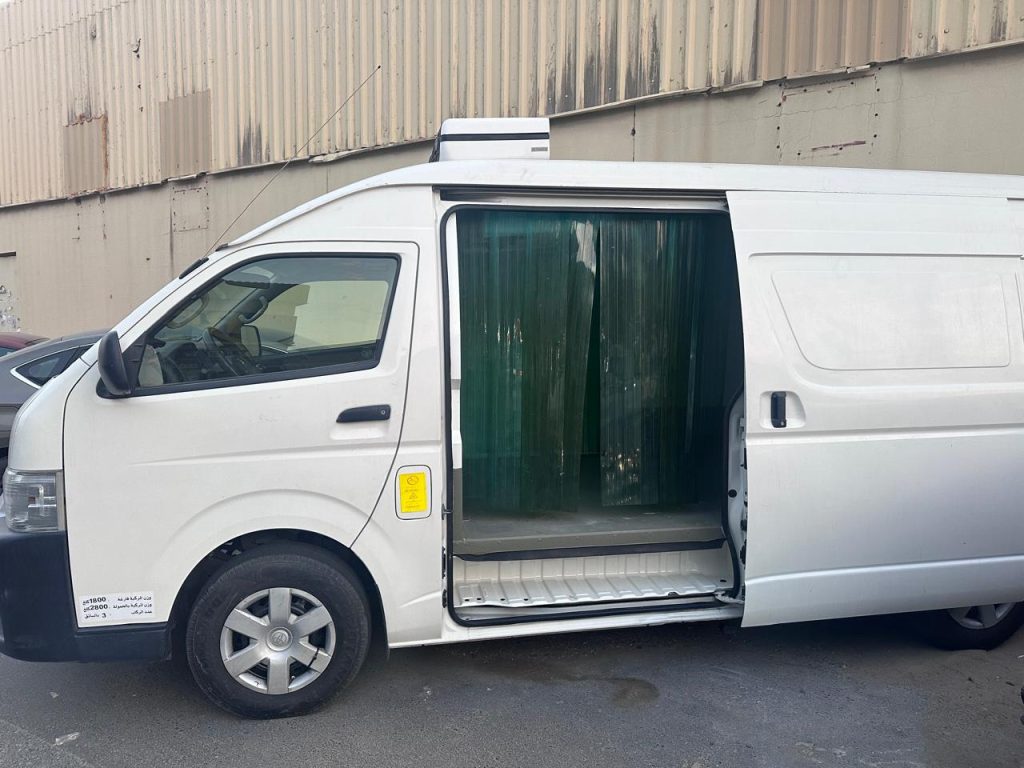
- 1.5 to 3-ton chiller vans: Compact and agile, these are ideal for city deliveries within Dubai or Abu Dhabi — think last-mile distribution for retail outlets and restaurant chains.
- 5 to 7-ton refrigerated trucks: The workhorse of most FMCG and food distribution operations. Enough capacity for bulk loads while still manageable on urban roads.
- 10-ton and above reefer trucks: Used for inter-emirate transport, large-scale food manufacturing logistics, and pharmaceutical cold chain operations that move high volumes across the UAE.
- Multi-compartment temperature trucks: Ideal for businesses that ship fresh, chilled, and frozen products simultaneously — each zone is independently temperature-controlled.
Always confirm the internal cargo dimensions and door configuration before booking, especially if you use standard pallet sizes or specific loading equipment.
Renting vs. owning: what makes sense for UAE businesses?
This is a question every logistics manager eventually faces. Owning a refrigerated truck gives you full control, but the financial and operational commitment is significant. A quality chiller truck in the UAE can cost between AED 120,000 and AED 450,000 to purchase outright, plus insurance, maintenance, driver costs, and depreciation.
For most small to mid-sized businesses, rental is simply the smarter move. You get access to a well-maintained, compliant vehicle without locking up capital. If a unit develops a fault, your rental provider replaces it — you don’t foot the repair bill or lose delivery days while waiting for parts.
There’s also the flexibility factor. UAE businesses frequently face seasonal demand spikes — Ramadan, Eid, National Day — when delivery volumes surge unexpectedly. A rental agreement lets you scale your cold transport capacity up or down as needed, paying only for what you use.
What to check before renting a chiller truck in the UAE
Not all rental providers offer the same standard of vehicle or service. Before committing to any agreement, make sure you verify the following:
- Refrigeration unit certification: The cooling system should be regularly serviced and certified to maintain the stated temperature range.
- Temperature data logger: Essential for food safety compliance and pharmaceutical transport. Every journey should produce a documented temperature record.
- Vehicle cleanliness and hygiene: The cargo interior should be sanitised between uses and free from odours, cross-contamination risks, or structural damage.
- 24-hour breakdown assistance: Cold chain emergencies happen outside business hours. Confirm that your provider offers round-the-clock support across the UAE.
- Flexible contract terms: Daily, weekly, and monthly options give you the control you need without unnecessary long-term commitments.
- Insurance and licensing: Verify the vehicle carries appropriate commercial insurance and that all permits are in order for UAE roads.
Ready to move your cargo the right way?
Whether you’re a food distributor planning inter-emirate routes, a pharmaceutical company with strict cold chain requirements, or a growing FMCG brand that needs reliable refrigerated truck hire in the UAE, we have the fleet and the experience to support you.
Our chiller trucks are fully maintained, temperature-monitored, and available on flexible rental terms across Dubai, Abu Dhabi, Sharjah, and the wider UAE. Get in touch today for a free, no-obligation quote and let’s keep your cold chain intact.
FAQs:
What temperature ranges can UAE chiller trucks maintain?
Most chiller trucks in the UAE can operate between -25°C and +8°C. Fresh produce typically travels at +2°C to +8°C, chilled products at 0°C to +4°C, and deep-frozen cargo at -18°C or below. Multi-zone trucks handle multiple temperature ranges in a single vehicle.
Can I rent a chiller truck for inter-emirate deliveries?
Yes. Our refrigerated trucks are fully licensed for road use across all seven emirates, including routes between Dubai, Abu Dhabi, Sharjah, Ras Al Khaimah, and Fujairah. Long-distance cold chain deliveries are one of our most common use cases.
Is temperature documentation provided for every delivery?
Absolutely. All our vehicles are fitted with digital temperature data loggers that record conditions throughout the journey. Reports can be provided in formats suitable for food safety audits, pharmaceutical compliance, and retail supplier requirements.
How much does chiller truck rental cost in the UAE?
Pricing depends on the truck size, rental duration, and whether a driver is included. Daily rates for smaller chiller vans typically start from AED 350–500, while larger refrigerated trucks may range from AED 700–1,500 per day. Monthly contracts offer significantly better rates. Contact us for a tailored quote.
Do you provide chiller trucks for pharmaceutical transport in the UAE?
Yes. We support pharmaceutical cold chain logistics with temperature-controlled vehicles that meet the requirements for medicines, vaccines, and biologics. All journeys include full temperature documentation and our drivers are briefed on handling protocols for sensitive cargo.