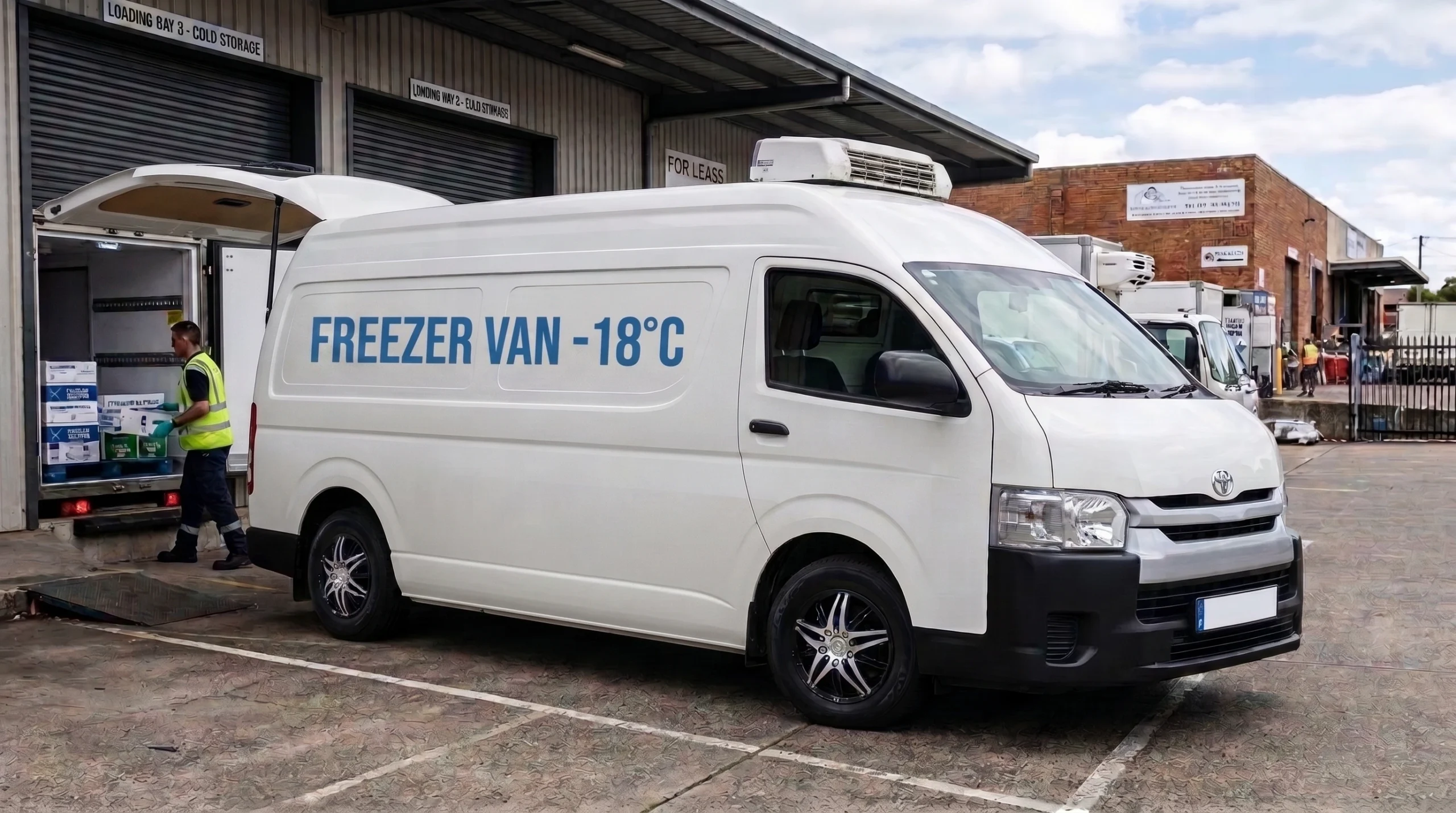
If you move perishable goods for a living or even just for one big event you’ve probably typed “chiller van rental cost near me” into Google and gotten a dozen different answers. Rates vary a lot depending on van size, rental length, location, and season, and most listing pages don’t explain why. This guide breaks down what actually drives chiller van rental pricing in 2026, what a fair quote looks like, and how to avoid paying more than you should.
Why Chiller Van Rental Costs Vary So Much
A chiller van isn’t just a regular van with a cooling unit bolted on. The refrigeration system, insulation quality, and compressor type all affect running costs, and rental companies pass those costs on differently. Two vans that look identical from the outside can have very different price tags because one has a newer, more fuel-efficient cooling unit while the other burns more diesel to hold the same temperature.
Location matters too. Rental yards in major cities charge more because of higher demand and stricter emissions zones, while rural or regional depots are often cheaper but may charge extra for delivery or pickup outside their base area.
Average Chiller Van Rental Cost in 2026
While exact pricing depends on your supplier, here’s a general breakdown of what businesses are typically paying this year:
- Small chiller van (2–3.5 tonne): Best for short local runs, catering, or small food delivery routes. Daily rates tend to sit in the lower-to-mid range of the market.
- Medium chiller van (3.5–7.5 tonne): The most commonly rented size for wholesale, event catering, and multi-drop deliveries. Pricing sits noticeably higher than small vans due to fuel use and refrigeration capacity.
- Large chiller van / box truck (7.5 tonne+): Used for bulk transport, large-scale events, or long-haul cold chain runs. This is the most expensive category, and pricing often shifts to weekly rather than daily rates for better value.
Most rental companies offer daily, weekly, and monthly rates, with the per-day cost dropping the longer you commit. A one-day rental will always look expensive compared to a weekly rental spread across seven days.
What’s Usually Included and What Isn’t
This is where most people get caught off guard. A quoted daily rate rarely tells the whole story. Before you book, check whether the price includes:
- Mileage allowance — many rentals cap free mileage and charge per extra kilometre or mile
- Fuel — some companies rent “empty tank,” others include a full tank
- Insurance — basic cover is often included, but excess reduction or goods-in-transit insurance usually costs extra
- Refrigeration unit servicing — ask what happens if the cooling system fails mid-rental
- Cleaning fee — chiller vans used for raw meat, fish, or dairy often require a deep clean between hires
- Driver requirements — some vans need a specific license class depending on weight
Ask for a full breakdown in writing before you sign anything. A cheap headline rate with several add-on fees can end up costing more than a slightly higher all-inclusive quote.
Seasonal and Demand-Based Pricing
Chiller van rental costs spike around predictable periods holiday seasons, summer months when perishable transport demand rises, and around major events or festivals when catering and food vendors need short-term refrigerated transport. Booking at least a few weeks ahead of these periods usually secures better rates than last-minute bookings, which are priced at a premium because availability is limited.
If your business has flexibility, renting mid-week rather than over a weekend can also reduce cost, since weekend demand from events and private hires tends to push prices up.
Short-Term vs Long-Term Rental: Which Saves More?
If you only need a chiller van occasionally, daily or weekly rental makes sense. But if your business regularly needs cold transport say, several times a month a long-term or contract rental arrangement is almost always cheaper per day. Many rental companies offer discounted monthly rates for businesses that commit to ongoing use, and some will even include servicing and breakdown cover as part of the package.
Before deciding, calculate your actual usage over a typical month. Businesses often assume they need daily access when a scheduled weekly rental covering their busiest days is enough and considerably cheaper.
Tips to Get the Best Chiller Van Rental Price
- Compare at least three quotes from different providers, and make sure each quote covers the same inclusions
- Book in advance whenever possible, especially around peak seasons
- Ask about loyalty or repeat-customer discounts if you plan to rent regularly
- Check the van’s cooling capacity matches your cargo, since renting a larger unit than you need wastes money on fuel and rental fees
- Negotiate on weekly or monthly rentals many providers have more flexibility on longer-term pricing than they advertise
Final Thoughts
Chiller van rental cost in 2026 depends on far more than just the size of the vehicle. Location, rental duration, season, and the fine print around mileage, fuel, and insurance all shape your final bill. The best way to avoid surprises is to get a fully itemized quote, compare it against at least two other providers, and match the van’s size and refrigeration capacity to what your cargo actually needs not more, not less.

Frequently Asked Questions
1. How much does a chiller van rental cost per day in 2026?
Daily rates vary by van size and location, with small vans at the lower end of the market and large refrigerated trucks at the higher end. Weekly and monthly rentals typically offer a lower cost per day than single-day bookings.
2. Does chiller van rental include fuel and mileage?
Not always. Some rental companies include a mileage allowance and fuel, while others charge separately for both. Always confirm this before booking to avoid unexpected charges.
3. Is insurance included in chiller van rental pricing?
Basic insurance is usually included, but excess reduction and goods-in-transit cover for the refrigerated cargo often cost extra. Ask for the insurance terms in writing.
4. What size chiller van do I need for my business?
This depends on your cargo volume and delivery frequency. Small vans suit local catering or small deliveries, medium vans suit wholesale and multi-drop routes, and large vans or box trucks suit bulk or long-haul cold chain transport.
5. Is it cheaper to rent a chiller van long-term?
Yes, in most cases. Businesses that need refrigerated transport regularly typically get a lower per-day rate through weekly, monthly, or contract rental agreements compared to repeated short-term bookings.