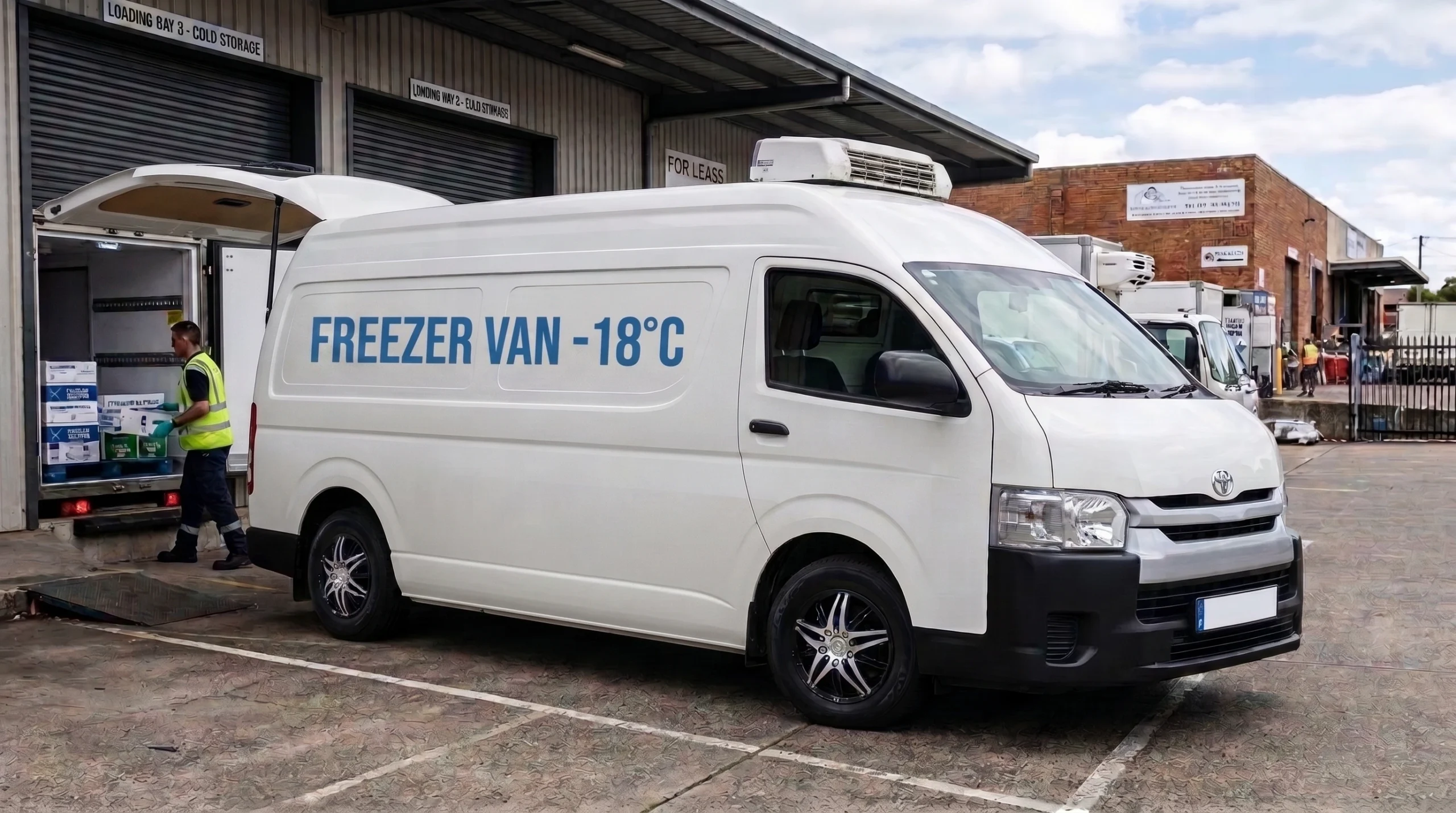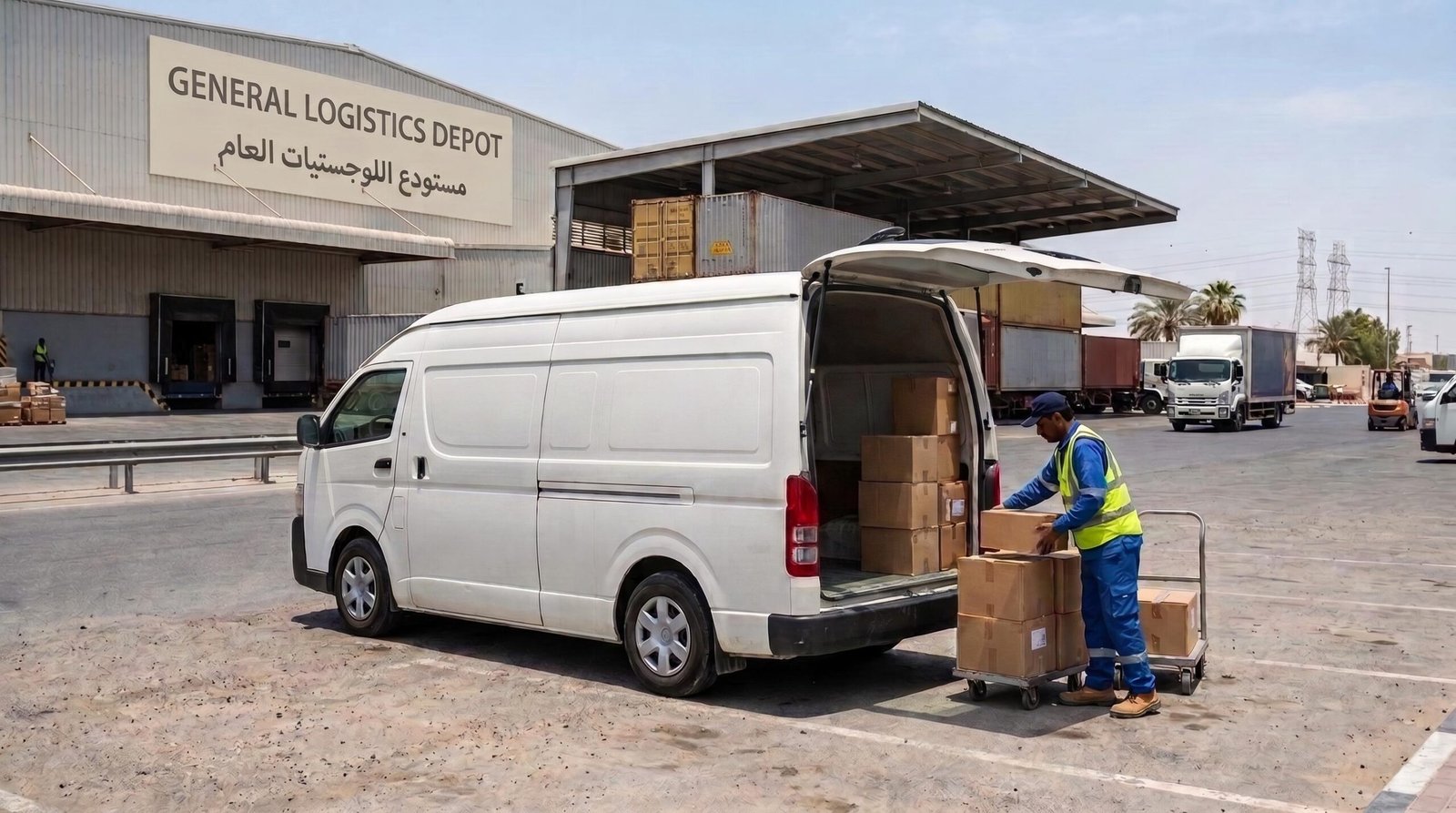
The United Arab Emirates has become a regional hub for healthcare, pharmaceuticals, and life sciences. With this growth comes an urgent need for dependable medical/vaccine cold chain transport UAE services that keep sensitive shipments safe, compliant, and on time. Whether it’s vaccines, insulin, blood samples, or biologics, even a small temperature deviation can render a shipment useless or worse, unsafe for patients.
In this blog, we’ll break down what cold chain transport really means, why it matters so much in the UAE’s climate and regulatory environment, and how logistics providers are meeting the challenge.
What Is Medical Cold Chain Transport?
Cold chain transport refers to the uninterrupted, temperature-controlled movement of goods from origin to destination. For medical and vaccine shipments, this typically means maintaining strict ranges such as 2°C to 8°C for most vaccines, or even deep-frozen conditions (-20°C to -70°C) for certain biologics and mRNA-based products.
Every link in the chain storage facilities, refrigerated trucks, packaging, airport handling, and last-mile delivery must maintain the required temperature without interruption. A single break in this chain can compromise the potency or safety of the product.
Why Cold Chain Transport Is Critical in the UAE
The UAE presents a unique combination of opportunity and challenge for cold chain logistics:
- Extreme heat: Outdoor temperatures can exceed 45°C in summer, making passive cold chain solutions risky without active refrigeration and rigorous monitoring.
- Regional hub status: Dubai and Abu Dhabi serve as major re-export and distribution centers for pharmaceuticals moving across the Middle East, Africa, and South Asia.
- Strict regulatory oversight: Authorities such as the Ministry of Health and Prevention (MOHAP) and Dubai Health Authority (DHA) enforce Good Distribution Practice (GDP) standards for pharmaceutical transport.
- High-value, time-sensitive cargo: Vaccines and biologics are expensive and often irreplaceable within short timeframes, so delays or mishandling carry real financial and health risks.
Given these factors, medical/vaccine cold chain transport UAE providers need infrastructure built specifically for extreme conditions rather than generic refrigerated shipping.
Key Components of a Reliable Cold Chain System
1. Validated Packaging
Insulated containers, gel packs, dry ice, and phase-change materials are chosen based on the shipment’s required temperature range and expected transit time. Packaging must be validated for the hottest and coldest scenarios the UAE climate can throw at it.
2. Real-Time Temperature Monitoring
Data loggers and IoT-enabled sensors track temperature continuously throughout the journey. Any excursion outside the approved range triggers alerts, allowing for immediate corrective action or shipment quarantine.
3. GDP and GSP Compliance
Good Distribution Practice (GDP) and Good Storage Practice (GSP) guidelines dictate how pharmaceuticals should be handled, stored, and transported. Compliance isn’t optional in the UAE — it’s a regulatory requirement for licensed pharma logistics operators.
4. Trained Personnel
Drivers, warehouse staff, and airport handlers need specific training in handling temperature-sensitive cargo, including emergency protocols if refrigeration units fail mid-transit.
5. Airport and Customs Coordination
Dubai International Airport and Abu Dhabi International Airport both have dedicated pharma handling facilities (such as cool chambers and dedicated cargo terminals) to minimize tarmac exposure time for sensitive shipments.
Common Challenges in UAE Cold Chain Logistics
- Last-mile delivery in extreme heat, especially to remote clinics or smaller facilities without cold storage infrastructure
- Customs delays that can extend transit time beyond packaging validation limits
- Power outages or equipment failure in storage facilities
- Documentation gaps that slow down customs clearance for time-sensitive shipments
- Coordinating multi-country distribution when the UAE serves as a re-export hub
How Providers Are Solving These Challenges
Modern cold chain logistics companies operating in the UAE are investing in:
- Purpose-built refrigerated fleets with backup cooling systems
- 24/7 monitoring centers with automated alert systems
- Pre-cleared customs documentation and dedicated pharma customs lanes
- Redundant power systems (generators, battery backups) at storage facilities
- Partnerships with healthcare providers for coordinated, just-in-time delivery
These investments help ensure that vaccines and medical products retain their integrity from the moment they leave the manufacturer to the moment they reach a patient.
Choosing the Right Cold Chain Partner in the UAE
When selecting a provider for medical/vaccine cold chain transport UAE, consider asking:
- Are they GDP-certified and licensed by relevant health authorities?
- Do they offer real-time tracking and temperature data reports?
- What contingency plans exist for equipment failure or delays?
- Can they handle both bulk shipments and smaller, time-critical deliveries?
- Do they have experience with your specific product category (vaccines, biologics, diagnostics, etc.)?
A provider that can answer these confidently is more likely to protect your shipment and your reputation from costly failures.
Final Thoughts
As the UAE continues to grow as a healthcare and pharmaceutical hub, the demand for dependable cold chain infrastructure will only increase. Reliable medical/vaccine cold chain transport UAE services aren’t just a logistics convenience they’re a critical safeguard for public health, patient safety, and business continuity. Choosing a partner with the right technology, compliance record, and local expertise makes all the difference.

Frequently Asked Questions
1. What temperature range is required for vaccine transport in the UAE?
Most vaccines require storage and transport between 2°C and 8°C, while some biologics and mRNA vaccines need ultra-cold conditions as low as -70°C. The exact range depends on the manufacturer’s specifications.
2. Why is cold chain transport more challenging in the UAE compared to other regions?
The UAE’s extreme summer heat, often exceeding 45°C, puts additional strain on packaging and refrigeration systems, requiring more robust validation and monitoring than in temperate climates.
3. What certifications should a cold chain logistics provider have in the UAE?
Look for GDP (Good Distribution Practice) compliance, licensing from MOHAP or DHA, and ISO certifications relevant to pharmaceutical logistics.
4. How is temperature monitored during transport?
Providers use data loggers and IoT-enabled sensors that continuously record temperature and send real-time alerts if shipments move outside the approved range.
5. What happens if a vaccine shipment is exposed to the wrong temperature?
The shipment is typically flagged for quarantine and quality assessment. Depending on the severity and duration of the excursion, the batch may need to be discarded to ensure patient safety.