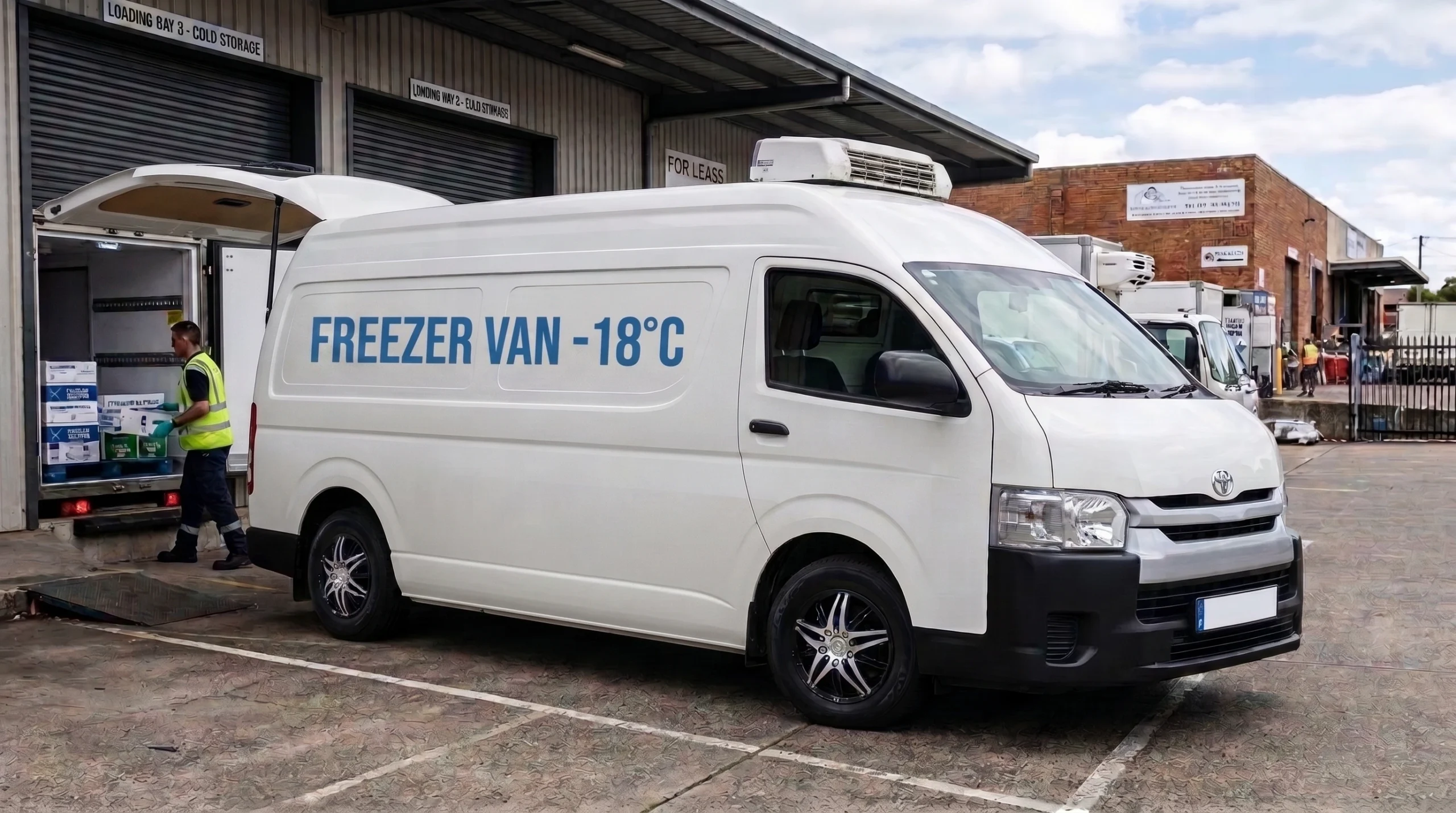
For small businesses, food vendors, and pharmaceutical distributors who need occasional cold transport without owning a full-size fleet, a refrigerated van rental is often the smarter choice. It’s compact, cost-effective, and easier to navigate through busy city streets compared to a large fridge truck. This guide breaks down everything you need to know before renting one.
What Is a Refrigerated Van Rental?
A refrigerated van rental is a temporary hire of a smaller, temperature-controlled vehicle designed for transporting perishable or sensitive goods over shorter distances or in smaller quantities compared to a full-size reefer truck. These vans are equipped with insulated cargo areas and a compact refrigeration unit that keeps the internal temperature stable throughout the trip.
Common users of refrigerated van rentals include:
- Small food businesses and home-based caterers
- E-commerce sellers shipping perishable products
- Pharmacies and clinics transporting medicine or vaccines
- Florists delivering fresh flowers in hot weather
- Dairy and bakery vendors doing daily local deliveries
- Event organizers needing short-term cold storage on-site
Refrigerated Van vs Fridge Truck Rental What’s the Difference?
The main difference is size and use case. A refrigerated van is smaller, more fuel-efficient, and easier to drive in urban areas ideal for last-mile deliveries and small-volume transport. A fridge truck rental, on the other hand, is built for bulk cargo and longer routes. If you’re moving a few boxes of chilled goods across town, a van is usually the more practical and affordable option.
Why Rent a Refrigerated Van Instead of Buying One?
- Lower cost — no need for a large upfront investment in a dedicated vehicle
- Flexibility — rent only when you need it, whether for a day, a week, or seasonally
- No maintenance responsibility — the rental company handles servicing and repairs
- Easier city driving — vans are more maneuverable than large trucks in urban traffic
- Scalable — rent more vans during busy seasons without long-term commitment
Types of Refrigerated Van Rentals
1. Small City Delivery Van
Compact size, ideal for daily local deliveries of dairy, bakery items, or small pharmacy orders within a limited radius.
2. Mid-Size Refrigerated Van
Offers more cargo space, suitable for restaurant supply runs or moderate-volume e-commerce deliveries.
3. Chiller vs Freezer Vans
Some rental providers offer both chiller vans maintain temperatures between 0°C and +8°C for fresh produce, while freezer vans go down to -18°C or lower for frozen goods. Be clear about which one your cargo needs before booking.
Refrigerated Van Rental Price Factors
Rental costs for refrigerated vans depend on several variables:
- Van size and cooling capacity — bigger vans with stronger units cost more
- Rental duration — daily rentals often have a higher per-day rate than weekly or monthly plans
- With or without driver — self-drive rentals are generally cheaper than rentals including a driver
- Distance covered — longer routes may involve additional fuel or mileage charges
- Temperature setting — freezer-mode vans typically cost more than standard chiller-mode vans
Because pricing differs by provider, city, and season, it’s best to get a custom quote tailored to your van size and rental period.
How to Book a Refrigerated Van Rental
- Identify Your Needs – Decide on van size, temperature range, and how long you need it.
- Compare Providers – Look at fleet condition, pricing, and customer reviews.
- Check Availability – Confirm the van is free for your required dates, especially during busy seasons.
- Review Rental Terms – Understand mileage limits, fuel policy, and liability coverage before signing.
- Inspect Before Accepting – Check that the refrigeration unit cools properly and the cargo area is clean and free of leaks.
- Ask About Temperature Monitoring – If you’re transporting pharmaceuticals or sensitive goods, ask if temperature logging equipment is included.
Tips for Choosing the Right Refrigerated Van Rental Company
- Check fleet age and condition — newer refrigeration units tend to be more reliable.
- Confirm backup support — ask what happens if the van breaks down mid-rental.
- Verify insurance coverage — make sure the vehicle and your cargo are both protected.
- Look for flexible plans — daily, weekly, and monthly rental options give you more control over cost.
- Read real customer reviews — genuine feedback often reveals more about service quality than advertising.
Common Use Cases for Refrigerated Van Rental
- Small food businesses delivering fresh or frozen products locally
- E-commerce sellers shipping perishable items like meat, dairy, or flowers
- Pharmacies and clinics transporting vaccines or temperature-sensitive medicine
- Event catering needing short-term cold storage at a venue
- Seasonal demand spikes, such as Eid or wedding season deliveries
- Backup transport when a business’s own refrigerated van is under repair
Handling Tips During the Rental Period
- Avoid overloading the van beyond its rated cargo capacity to maintain efficient cooling.
- Minimize how long cargo doors stay open to prevent cold air loss.
- Pre-cool the van before loading goods for consistent starting temperature.
- Check the thermostat regularly during longer delivery routes.
- Report any cooling issues to the rental company immediately rather than continuing the delivery.
Final Thoughts
A refrigerated van rental offers a practical, budget-friendly solution for small businesses and individuals who need reliable cold transport without the cost of owning a dedicated vehicle. By understanding the pricing factors, van types, and booking process outlined above, you can confidently choose the right refrigerated van rental for your delivery, event, or business needs.

FAQs:
1. How much does a refrigerated van rental cost per day? Daily cost depends on van size, cooling requirements, and whether a driver is included. It’s best to request a quote based on your specific rental dates and van size.
2. Can I rent a refrigerated van for just one day? Yes, most rental companies offer daily rentals, ideal for events, small deliveries, or emergencies, in addition to weekly and monthly packages.
3. What’s the difference between a refrigerated van and a fridge truck rental? A refrigerated van is smaller and better suited for local, small-volume deliveries, while a fridge truck is larger and designed for bulk cargo and longer routes.
4. Do refrigerated van rentals come with a driver? It depends on the provider some offer self-drive options while others include a professional driver, usually at an additional cost.
5. What temperature range can a refrigerated van maintain? Most refrigerated vans operate in chiller mode between 0°C and +8°C, while freezer-mode vans can maintain temperatures down to -18°C or lower for frozen goods.