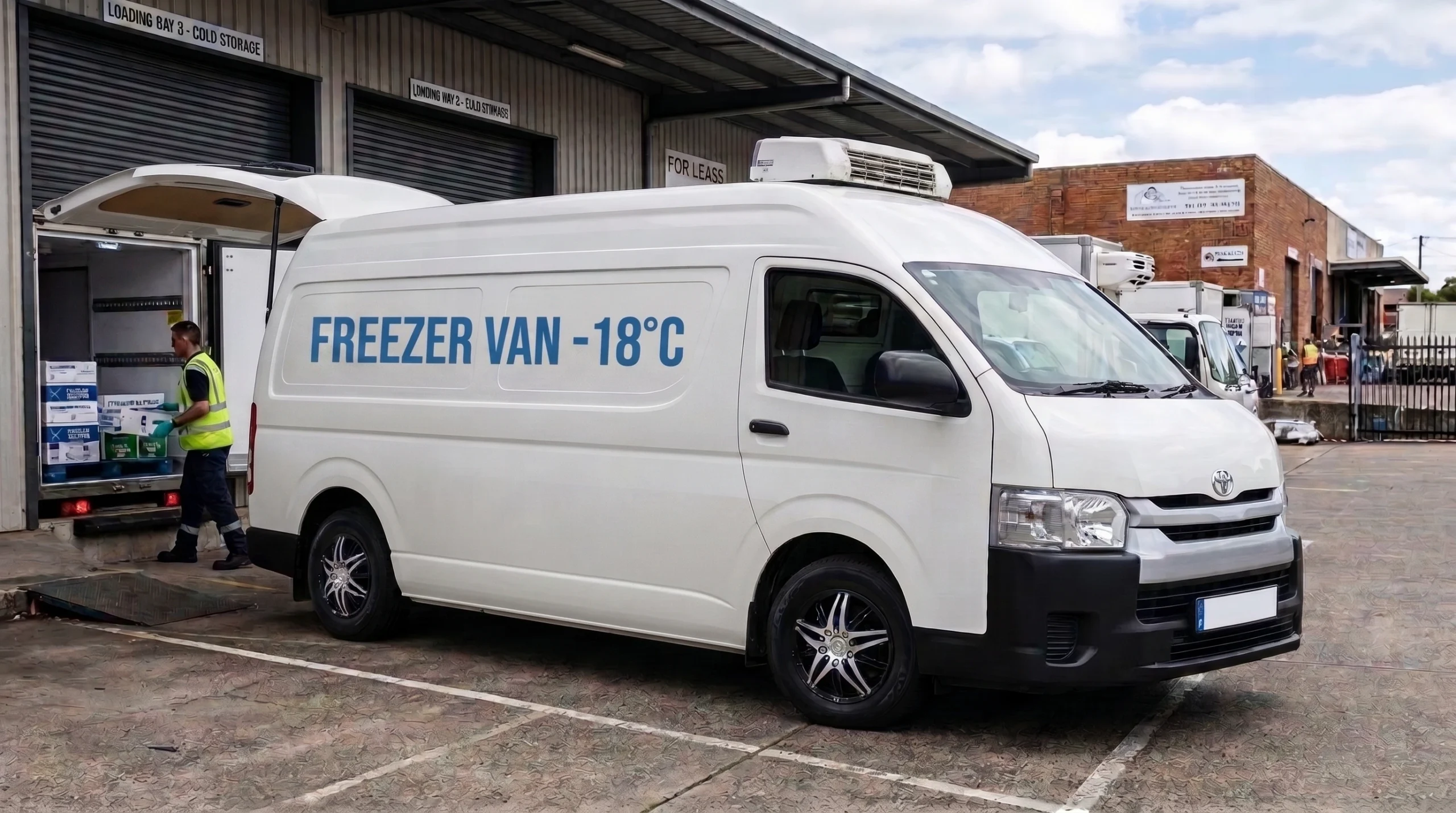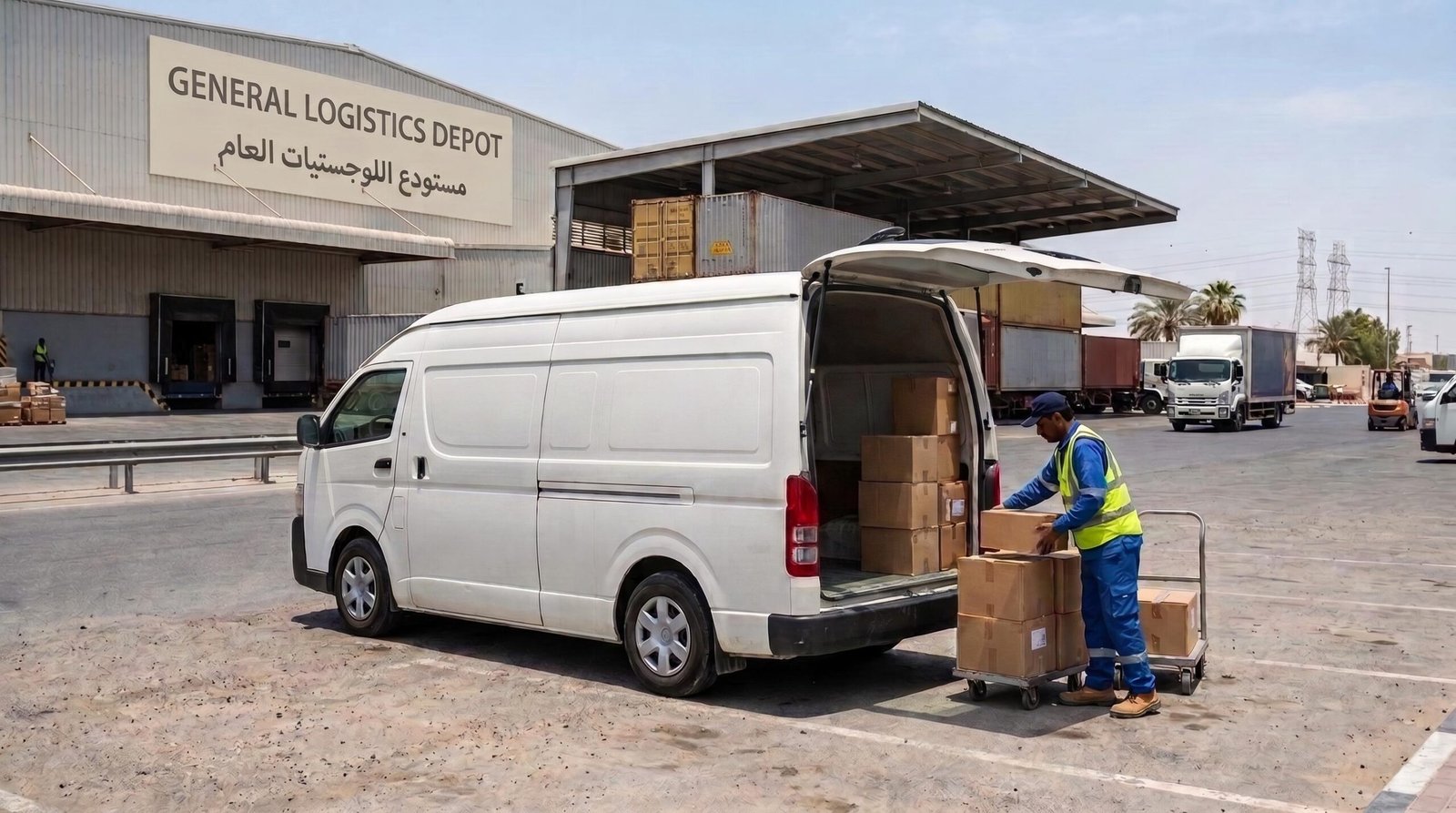
A reefer truck (short for refrigerated truck) is a specialized vehicle equipped with a temperature-controlled cargo unit, designed to transport perishable goods such as food, pharmaceuticals, flowers, and chemicals across long or short distances. Unlike a standard dry van, a reefer truck maintains a set internal temperature regardless of the weather outside, making it essential for industries that rely on the cold chain.
In this guide, we’ll break down everything you need to know about reefer trucks from how they work to the costs involved, so you can make an informed decision whether you’re a fleet owner, a small business, or a logistics manager.
What Is a Reefer Truck?
A reefer truck consists of an insulated trailer or box body fitted with a refrigeration unit powered either by the truck’s engine, a separate diesel generator, or increasingly, electric and hybrid systems. These units can maintain temperatures ranging from deep-freeze (-20°F) to controlled cool (up to 70°F), depending on cargo requirements.
Reefer trucks come in multiple sizes:
- Straight reefer trucks – single unit, ideal for local and regional delivery
- Reefer trailers – pulled by a separate tractor, used for long-haul freight
- Box reefer trucks – smaller units for last-mile delivery of groceries or pharmaceuticals
Why Businesses Need Reefer Trucks
The demand for reefer trucks has grown steadily due to the rise of e-commerce grocery delivery, pharmaceutical distribution, and global food exports. Key reasons businesses invest in reefer trucking include:
- Preserving product quality – Maintains freshness of perishable goods during transit
- Regulatory compliance – Meets food safety and pharmaceutical cold-chain regulations
- Reduced spoilage losses – Minimizes waste and financial loss from temperature damage
- Wider market reach – Enables shipping perishables over longer distances
Reefer Truck vs Dry Van: Key Differences
| Feature | Reefer Truck | Dry Van |
|---|---|---|
| Temperature Control | Yes | No |
| Cargo Type | Perishables, pharma | Non-perishable goods |
| Operating Cost | Higher (fuel + unit) | Lower |
| Insulation | Required | Not required |
| Maintenance | More frequent | Standard |
Reefer Truck Rental vs Buying: Which Is Better?
If your business only needs seasonal or occasional cold transport, renting a reefer truck is often more cost-effective. Rental rates typically range depending on truck size, region, and rental duration, and they eliminate the burden of maintenance and depreciation.
On the other hand, if your operations require daily temperature-controlled deliveries, buying a reefer truck makes more financial sense long-term, despite the higher upfront investment. Ownership also gives you full control over route scheduling and branding.
How Much Does a Reefer Truck Cost?
Several factors affect reefer truck pricing:
- Truck size and payload capacity
- New vs used condition
- Refrigeration unit brand and technology
- Fuel type (diesel, electric, hybrid)
- Insulation quality
Used reefer trucks are generally more budget-friendly for small businesses just entering the cold chain logistics space, while new units offer better fuel efficiency and lower long-term maintenance costs.
Maintenance Tips for Reefer Trucks
Proper maintenance keeps your reefer truck running efficiently and prevents costly breakdowns:
- Inspect the refrigeration unit and compressor regularly
- Check door seals and insulation for air leaks
- Monitor fuel levels of the auxiliary diesel unit
- Clean condenser coils to maintain cooling efficiency
- Calibrate temperature sensors periodically
- Schedule preventive maintenance every 3-6 months
Choosing the Right Reefer Truck for Your Business
Before purchasing or renting a reefer truck, consider:
- Cargo type – frozen, chilled, or ambient-controlled goods
- Delivery distance – local, regional, or long-haul
- Fleet size – single unit vs multiple trucks
- Fuel efficiency – diesel vs electric refrigeration units
- Budget – upfront cost vs operating expenses
Final Thoughts
A reefer truck is a critical investment for any business dealing with perishable or temperature-sensitive goods. Whether you choose to rent or buy, understanding the different types, costs, and maintenance needs will help you keep your cold chain reliable and your customers satisfied. As demand for fresh food delivery and pharmaceutical logistics continues to grow in 2026, investing in the right reefer truck solution can give your business a real competitive edge.

Frequently Asked Questions (FAQs)
1. What is the difference between a reefer truck and a refrigerated van? A reefer truck is generally larger and designed for long-haul or bulk transport, while a refrigerated van is smaller and used for local or last-mile deliveries.
2. What temperature can a reefer truck maintain? Reefer trucks can maintain temperatures ranging from as low as -20°F for frozen goods to around 70°F for climate-controlled cargo, depending on the unit.
3. How much does it cost to rent a reefer truck? Rental costs vary based on truck size, rental duration, and region, but they are generally more affordable than ownership for short-term or seasonal needs.
4. How often should a reefer truck’s refrigeration unit be serviced? It’s recommended to service the refrigeration unit every 3 to 6 months, along with regular checks on seals, coils, and sensors.
5. Can a reefer truck run without diesel fuel? Yes, newer reefer trucks are increasingly available with electric or hybrid refrigeration units, reducing dependency on diesel fuel.