Hypermarkets handle massive daily volumes of groceries, household goods, electronics, and perishables that need to move quickly and safely between warehouses, stores, and customers. A dependable hypermarket delivery van is the backbone of this entire operation. Whether you’re a hypermarket chain managing inter-store transfers or a business offering last-mile delivery to customers, choosing the right delivery van can make or break your logistics efficiency. This guide breaks down everything you need to know about hypermarket delivery vans.
What Is a Hypermarket Delivery Van?
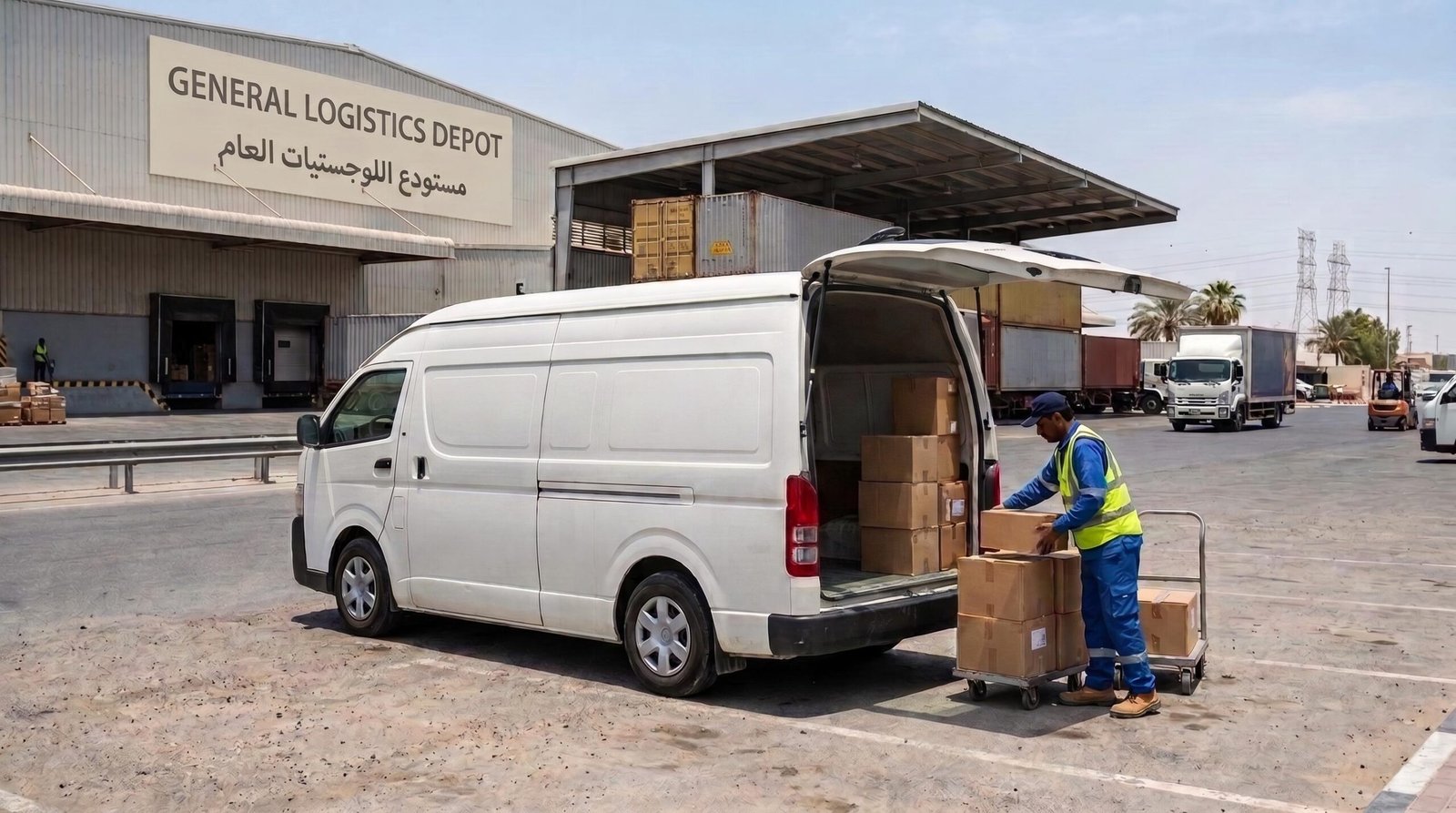
A hypermarket delivery van is a commercial vehicle specifically used to transport goods to and from hypermarkets, supermarkets, and retail outlets. These vans are designed to carry large volumes of mixed cargo from packaged groceries and beverages to household items and, in many cases, chilled or frozen products that require temperature control.
Depending on the type of goods being transported, hypermarket delivery vans can be:
- Dry cargo vans – for non-perishable items like packaged foods, cleaning supplies, and household goods
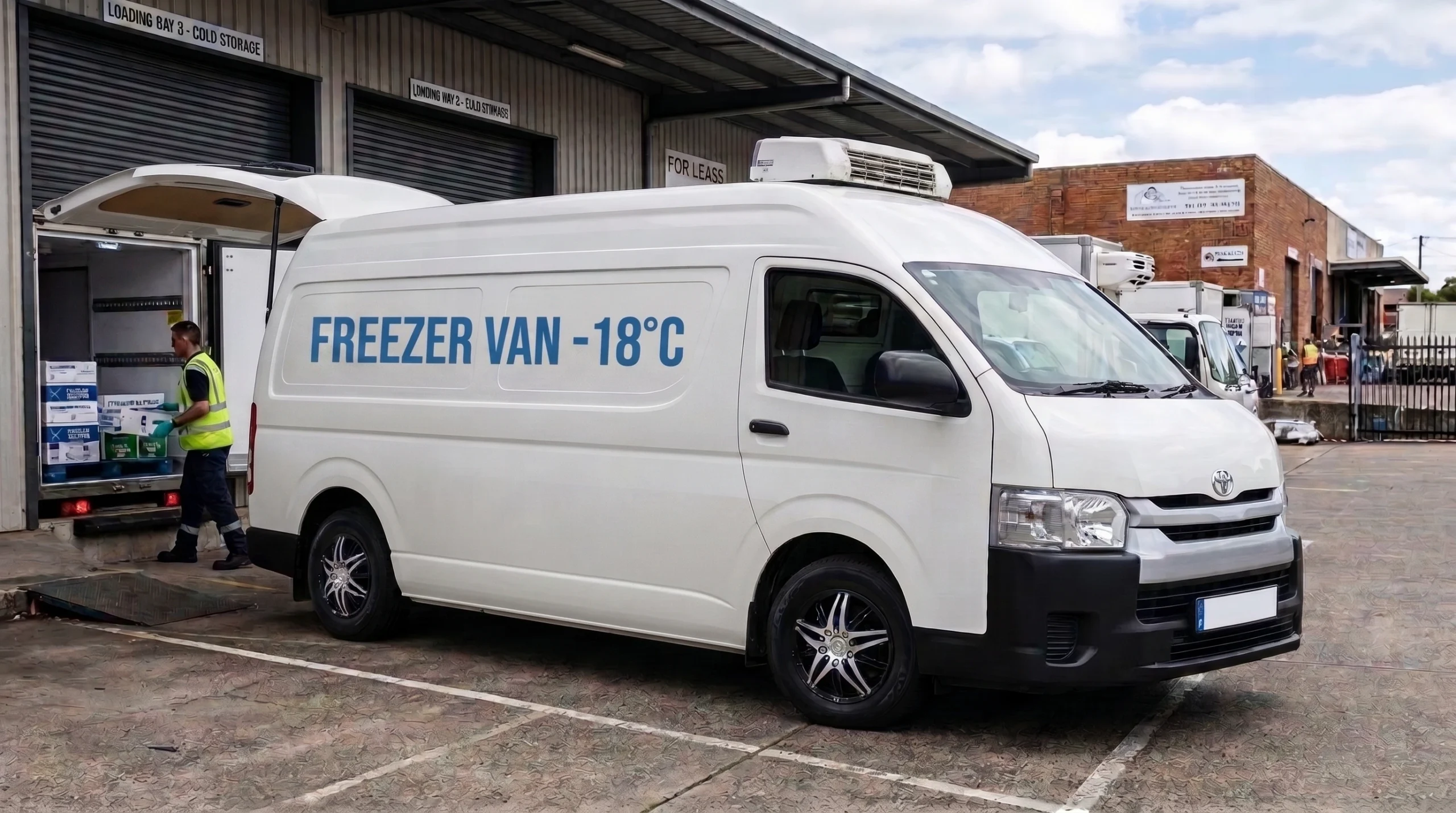
- Chiller/refrigerated vans – for dairy, meat, and other temperature-sensitive products
- Multi-compartment vans – combining dry and chilled sections in a single vehicle for mixed deliveries
Why Hypermarkets Need Dedicated Delivery Vans
Running a hypermarket involves constant movement of stock, and here’s why having a dedicated delivery van solution matters:
- Timely Restocking: Prevents empty shelves by ensuring consistent supply between warehouses and stores.
- Bulk Handling Capacity: Vans designed for hypermarket use can carry larger loads compared to standard delivery vehicles.
- Reduced Product Damage: Proper vehicle design minimizes shifting, spillage, or breakage during transit.
- Customer Home Delivery: With the rise of online grocery shopping, delivery vans are essential for last-mile fulfillment.
- Multi-Store Distribution: Chains with multiple branches rely on vans to redistribute stock efficiently between locations.
Factors That Affect Hypermarket Delivery Van Pricing
If you’re renting or hiring a hypermarket delivery van, the cost typically depends on:
- Van Size and Load Capacity – Larger vans with higher payload capacity cost more than smaller ones.
- Distance and Route – Local city deliveries are generally cheaper than intercity or long-distance routes.
- Rental Duration – Daily, weekly, and monthly rental rates differ significantly.
- Type of Cargo – Chilled or frozen goods transport usually costs more due to refrigeration requirements.
- Driver Inclusion – Renting with an experienced driver adds convenience but may slightly raise the price.
- Delivery Frequency – Regular, scheduled deliveries may qualify for discounted long-term contracts.
- Fuel and Toll Charges – Some providers bundle these into the price, while others charge separately.
Because pricing structures vary between providers, it’s recommended to request a custom quote based on your delivery volume and frequency.
Who Uses Hypermarket Delivery Vans?
This type of vehicle service is essential for:
- Hypermarket and supermarket chains restocking store shelves
- E-commerce grocery platforms fulfilling online orders
- Wholesale distributors supplying retail outlets
- Warehouse operators moving inventory between facilities
- Catering and food service businesses receiving bulk supplies
- Retailers managing seasonal or promotional stock surges
Benefits of Renting a Hypermarket Delivery Van
- Cost Efficiency: Avoid the high upfront investment of purchasing and maintaining a fleet.
- Scalability: Increase or decrease van usage based on seasonal demand or promotional periods.
- Access to Well-Maintained Vehicles: Rental providers typically service their vans regularly, reducing breakdown risks.
- Flexible Contracts: Choose short-term or long-term rentals depending on your business cycle.
- Professional Drivers Available: Skip the hassle of hiring and training your own delivery staff.
Tips for Choosing the Right Hypermarket Delivery Van Service
- Confirm the van’s load capacity matches your typical delivery volume.
- Check if refrigerated or multi-compartment vans are available if you handle perishables.
- Ask about insurance coverage for goods during transit.
- Compare pricing packages across multiple providers, including hidden fuel or toll costs.
- Look for providers offering GPS tracking for real-time delivery updates.
- Read reviews and testimonials to assess reliability and delivery punctuality.
Final Thoughts
A reliable hypermarket delivery van solution keeps your stock moving smoothly, your shelves stocked, and your customers satisfied. Whether you need dry cargo transport, refrigerated delivery, or a combination of both, choosing the right van size, provider, and rental terms is key to running efficient retail logistics. Always compare quotes, verify vehicle standards, and prioritize dependable service over the lowest price alone.
Frequently Asked Questions (FAQs)
1. What size van is best for hypermarket deliveries?
The ideal van size depends on your delivery volume. Small hypermarkets may need mid-sized vans, while large chains often require bigger vans or trucks with higher payload capacity.
2. Can hypermarket delivery vans carry both chilled and dry goods?
Yes, many providers offer multi-compartment vans that separate chilled and dry cargo within the same vehicle, ideal for mixed grocery deliveries.
3. Is it better to rent or buy a hypermarket delivery van?
Renting is often more cost-effective for businesses with fluctuating demand, as it avoids large upfront investment and ongoing maintenance costs.
4. Do hypermarket delivery van services include a driver?
Most rental providers offer the option of hiring a van with an experienced driver, which saves time and reduces the risk of mishandling goods.
5. How is the price of a hypermarket delivery van calculated?
Pricing is based on van size, distance, rental duration, cargo type, and whether a driver is included. It’s best to request a custom quote for accurate pricing.