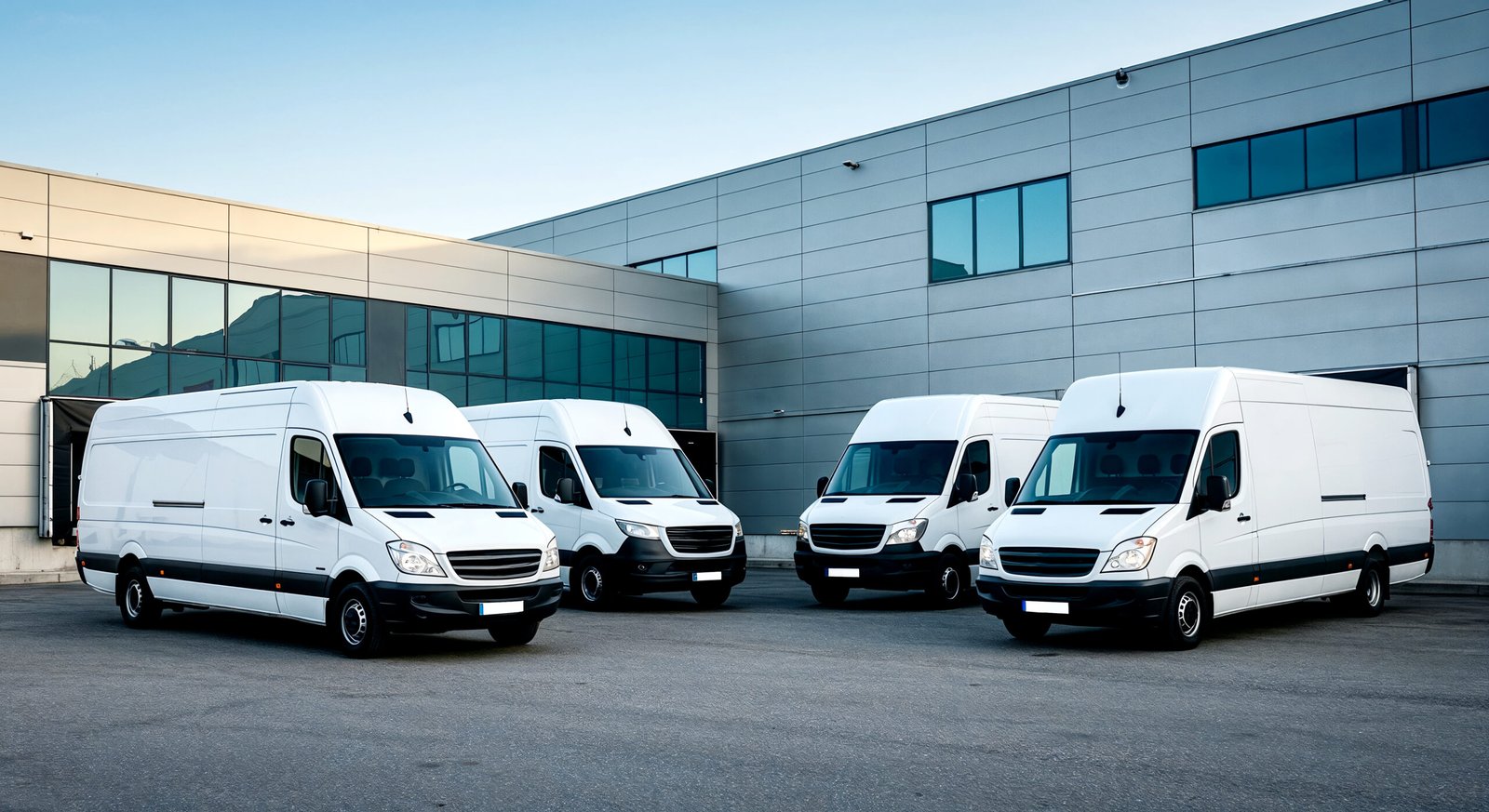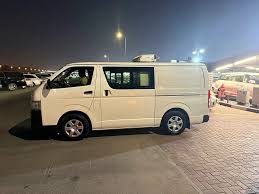
If you’ve ever had a shipment of frozen seafood arrive lukewarm, or watched a pallet of ice cream turn into soup somewhere between a warehouse and a store shelf, you already understand the real stakes of cold chain logistics. In a city like Dubai — where temperatures routinely push past 40°C in the summer months — moving frozen goods safely from one point to another is far more than a convenience. It’s a business-critical operation.
This guide breaks down everything you need to know about frozen goods transport in Dubai: how it works, what can go wrong, what to look for in a logistics partner, and how to make sure your products arrive in exactly the condition they left.
Why Frozen Goods Transport in Dubai Is Different
Dubai is not just hot — it’s consistently, relentlessly hot for a large part of the year. For businesses moving perishable or temperature-sensitive products, this creates a challenge that simply doesn’t exist in cooler climates. Even a brief exposure to ambient temperatures during loading, unloading, or a poorly maintained vehicle can compromise an entire consignment.
Add to that the city’s growth as a regional trade and distribution hub — with Jebel Ali Port, Dubai International Airport, and major food processing zones all feeding into the supply chain — and you start to see why cold chain logistics here has become a sophisticated, specialized industry.
Whether you’re a food manufacturer, a pharmaceutical company, a restaurant chain, or an importer of frozen seafood or dairy, the principles are the same: your product must be kept within a defined temperature range, continuously, from the moment it leaves the origin point to the moment it’s handed over to the end recipient.
How Temperature-Controlled Transport Actually Works
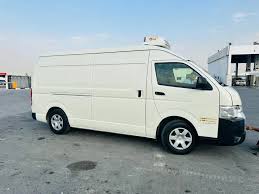
At its core, frozen goods transport relies on refrigerated vehicles — commonly called reefer trucks — equipped with cooling units that maintain a set internal temperature regardless of external conditions. For frozen products, this typically means temperatures at or below -18°C. For chilled goods, the range is usually between 0°C and 5°C.
But good frozen goods transport is about much more than just having a cold truck. A properly managed cold chain in Dubai involves several layers:
Pre-cooling the vehicle before loading is essential. Putting frozen goods into a warm trailer — even briefly — creates condensation and temperature spikes that affect product quality and shelf life.
Insulated loading bays at warehouses and distribution centers minimize exposure time during the handover between storage and transport. This is an area where many smaller operations cut corners, and it’s where a lot of damage actually happens.
Real-time temperature monitoring using in-vehicle data loggers or IoT sensors gives both the logistics provider and the client a live view of conditions throughout the journey. This is increasingly a baseline expectation rather than a premium feature.
Driver training matters more than many clients realize. A driver who understands why doors shouldn’t be left open during stops, why routes should be pre-planned to minimize idle time in traffic, and how to identify a malfunctioning cooling unit early can be the difference between a successful delivery and a claim.
Common Mistakes That Compromise Your Cold Chain
Even businesses that invest in good logistics partners can inadvertently undermine their own cold chain. Here are the most common issues that come up in frozen goods transport across Dubai:
Over-packing vehicles reduces airflow inside the cargo area, creating warm spots even when the overall temperature appears correct. Refrigerated vehicles are designed to circulate air around the cargo — they can’t cool products that are stacked against the walls or blocking vents.
Choosing price over compliance is tempting, especially for businesses managing tight margins. But a cheaper transport provider that doesn’t maintain proper vehicle certifications, skips pre-trip inspections, or uses aging equipment is a liability rather than a saving.
Inconsistent documentation creates problems at customs, particularly for international frozen goods moving through Dubai. Health certificates, temperature logs, and chain-of-custody documents need to be accurate and complete — gaps in the record can lead to delays or rejection of consignments.
Ignoring last-mile logistics is a mistake many businesses make when they focus only on the primary transport leg. The final delivery — from a distribution hub to a restaurant, supermarket, or retail outlet — is often where the cold chain is most vulnerable, especially in a city with traffic congestion and multiple-stop routes.
What to Look for in a Frozen Goods Transport Provider in Dubai
Not all cold chain logistics companies in Dubai are equal. Here’s a practical checklist for evaluating potential partners:
Fleet condition and maintenance records. Ask how often vehicles are serviced, how old the refrigeration units are, and whether they have backup units or contingency vehicles for breakdowns.
Temperature logging and reporting. A reputable provider should be able to send you automated temperature reports for every delivery. If they can’t offer this, that’s a red flag.
Regulatory compliance. Dubai Municipality and the Food Safety Department have specific requirements for food transport. Your provider should be familiar with these and operate accordingly.
Scalability. Can they handle a surge in volume during peak seasons? Businesses in the food sector often see significant demand spikes around Ramadan, summer exports, or major retail events.
Insurance coverage. Accidents happen. Make sure your provider carries adequate cargo insurance specifically covering temperature-sensitive goods, not just general freight.
The Role of Dubai’s Infrastructure in Cold Chain Logistics
Dubai has made significant investments in cold chain infrastructure over the past decade. The Dubai Logistics City at Dubai World Central, Jebel Ali’s massive cold storage facilities, and the refrigerated warehousing clusters near Al Quoz and JAFZA all support a robust ecosystem for businesses moving frozen goods in and out of the emirate.
For businesses importing frozen goods through Dubai International Airport, EKFC (Emirates Flight Catering) operates dedicated cold chain facilities that can handle temperature-sensitive cargo from the moment it lands. Similarly, DP World’s operations at Jebel Ali include extensive cold storage capacity for sea freight.
Understanding where your goods will pass through — and ensuring your transport provider has established relationships with these facilities — can significantly reduce dwell times and the associated risk of temperature excursion.
Conclusion
Frozen goods transport in Dubai demands attention, investment, and the right partner. The city’s climate, its role as a regional trade hub, and the strict regulatory environment all combine to make cold chain logistics here a genuinely complex undertaking. But for businesses that get it right — with properly maintained vehicles, real-time monitoring, trained drivers, and a logistics partner that understands compliance — it becomes a genuine competitive advantage.
When your customers know that your frozen products arrive in perfect condition every time, that reliability builds trust and loyalty that’s hard to put a number on. In a market as competitive as Dubai’s food and pharmaceutical sectors, that consistency can set you apart.
Take the time to vet your transport partners, understand your cold chain end-to-end, and never treat frozen goods logistics as an afterthought. Your product quality — and your reputation — depends on it.
FAQs:
Q1: What temperature should frozen goods be kept at during transport in Dubai?
At or below -18°C for frozen products. Chilled goods should stay between 0°C and 5°C.
Q2: Is certification required to transport frozen food in Dubai?
Yes. Providers must comply with Dubai Municipality food transport regulations and hold current permits.
Q3: How do I verify my cold chain was maintained?
Ask for temperature logs after every delivery. Any reliable provider uses digital data loggers or IoT sensors that record conditions throughout the journey.
Q4: Can frozen goods transit internationally through Dubai?
Yes. Jebel Ali Port and Dubai International Airport both have dedicated cold chain facilities for international shipments. You’ll need health certificates and proper customs documentation.
Q5: Reefer truck vs. insulated van — what’s the difference?
A reefer truck actively maintains temperature regardless of outside heat. An insulated van just slows temperature change. In Dubai’s climate, a reefer truck is non-negotiable for frozen goods.