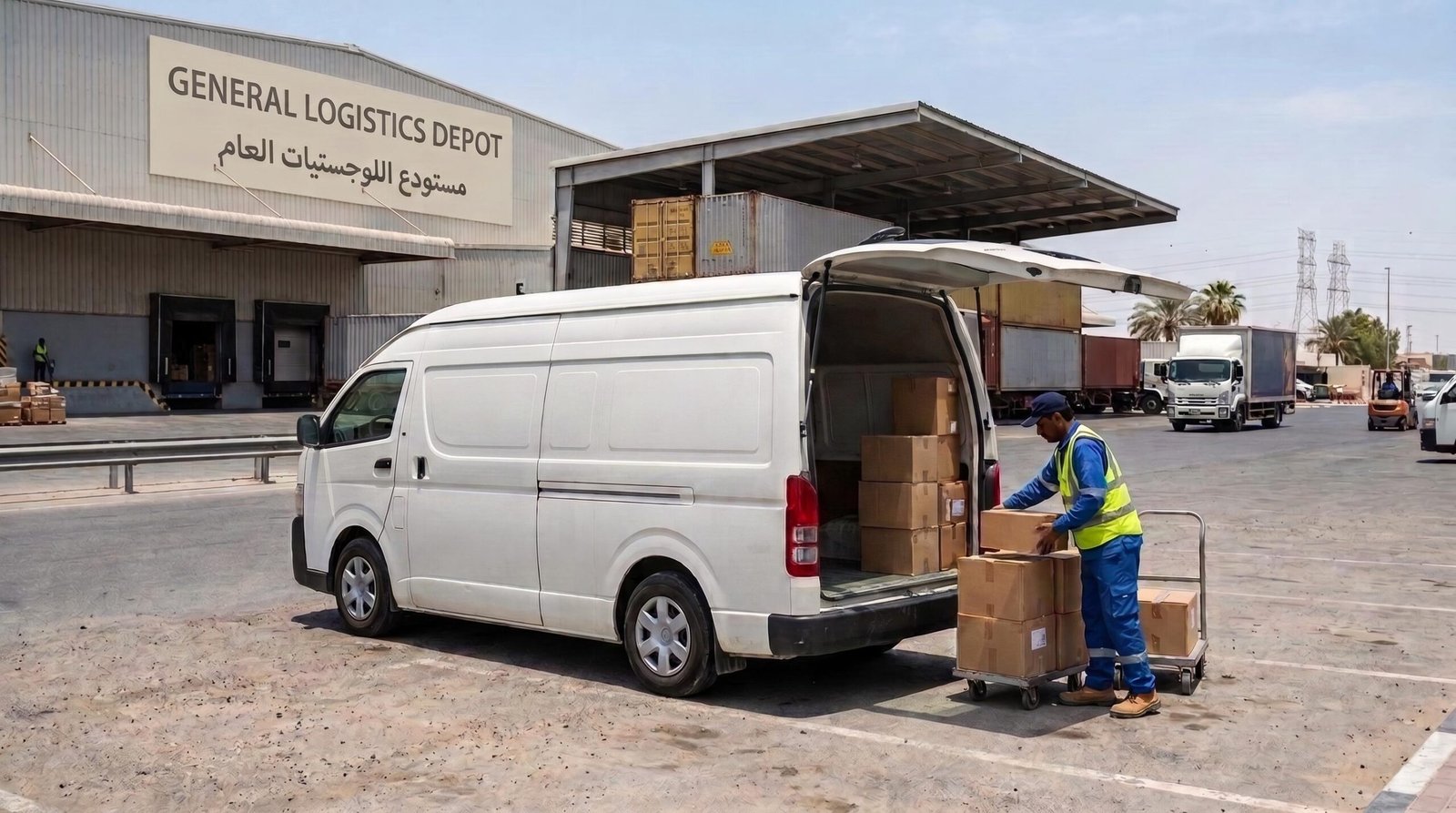
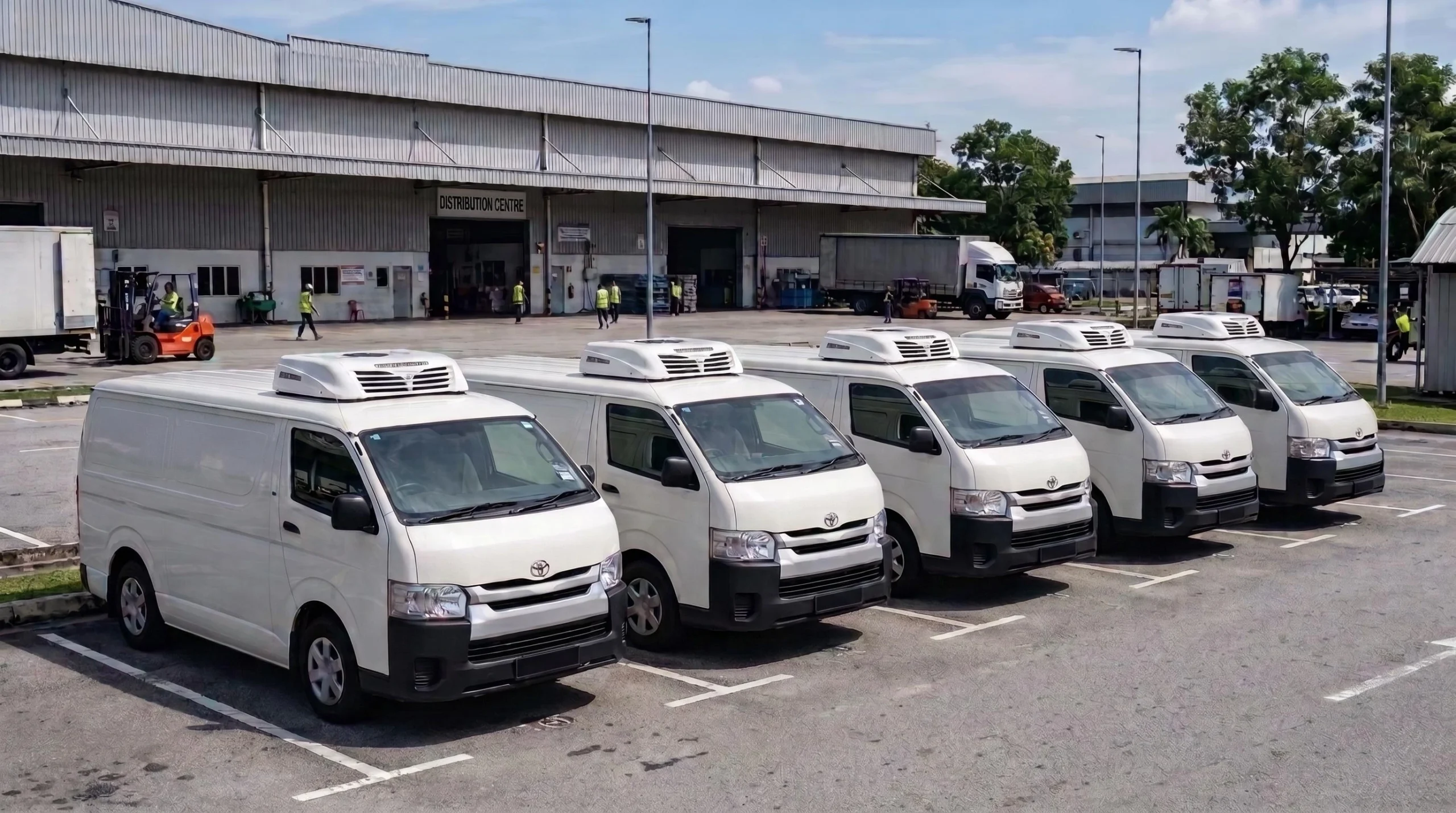
If you run a business that moves perishable goods food, dairy, medicines, or flowers you’ve probably come across two terms that sound almost the same but mean very different things: chiller van and freezer van. Many people use them interchangeably, but choosing the wrong one can spoil your entire shipment and cost you money.
In this guide, we’ll break down exactly what separates a chiller van from a freezer van, when to use each one, and how to pick the right option for your business.
What Is a Chiller Van?
A chiller van is a temperature-controlled vehicle designed to keep goods cool but not frozen. It typically maintains temperatures between 0°C and 8°C (32°F to 46°F). This range is ideal for products that need to stay fresh without freezing, since freezing can damage their texture, taste, or usability.
Chiller vans are commonly used for:
- Fresh fruits and vegetables
- Dairy products like milk, cheese, and yogurt
- Beverages and bottled drinks
- Bakery items
- Fresh meat and seafood for short-distance delivery
- Pharmaceuticals that require cool (not frozen) storage
- Flowers and plants
The insulation and cooling system in a chiller van is built to maintain a steady, mild temperature, which protects delicate goods from spoiling due to heat while avoiding the damage that freezing would cause.
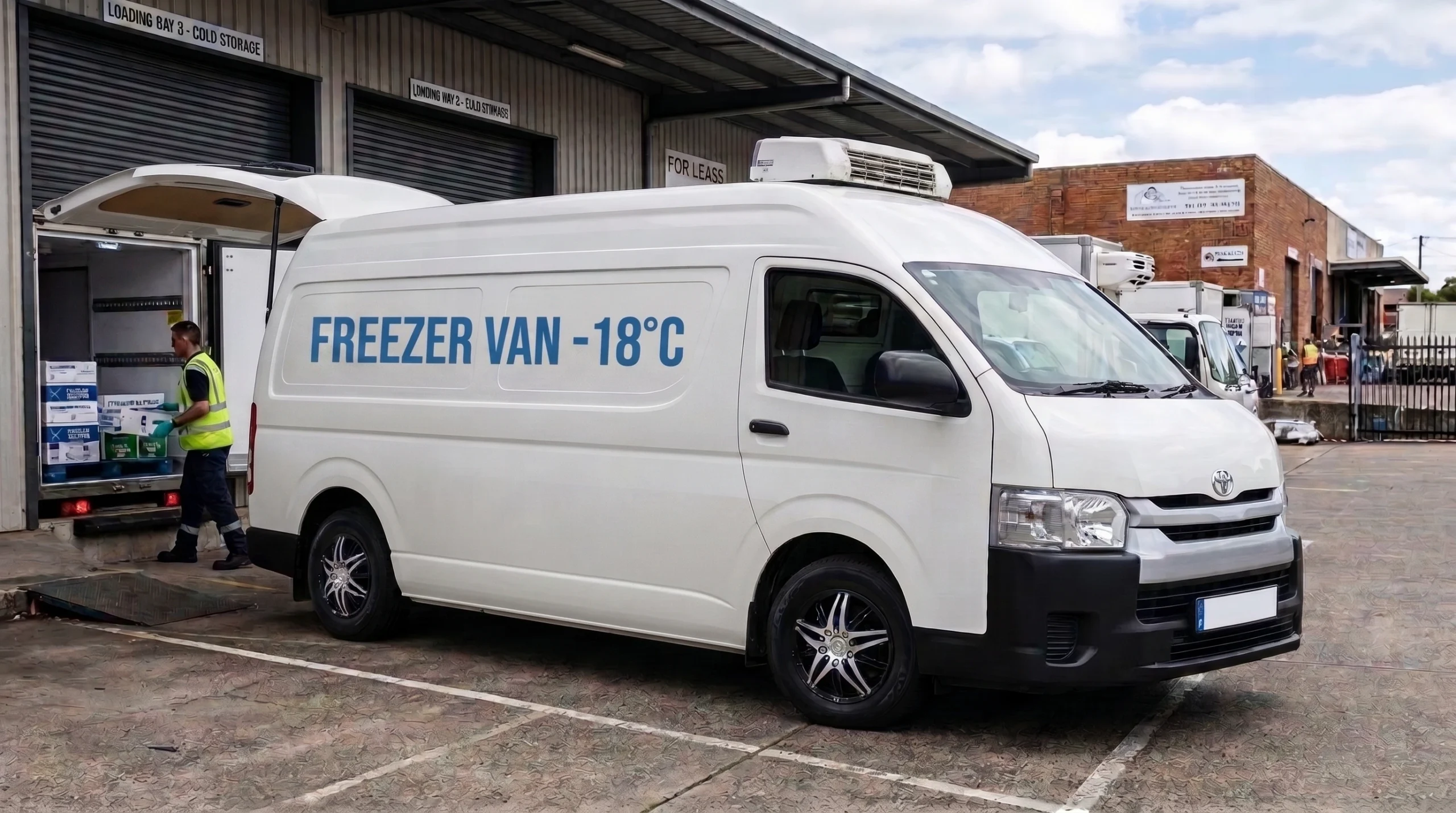
What Is a Freezer Van?
A freezer van, on the other hand, is built to keep products frozen solid, usually maintaining temperatures between -18°C and -25°C (-0.4°F to -13°F). These vans use heavier insulation and stronger refrigeration units compared to chiller vans because they need to fight against much colder target temperatures, especially during long hauls or hot weather.
Freezer vans are typically used for:
- Frozen meat, poultry, and seafood
- Ice cream and frozen desserts
- Frozen vegetables and ready-to-eat frozen meals
- Vaccines and medical samples requiring sub-zero storage
- Frozen bakery products
- Any item that must remain frozen from pickup to delivery
Because freezer vans work harder to maintain much lower temperatures, they generally consume more fuel or battery power and cost more to operate than chiller vans.
Key Differences Between Chiller Van and Freezer Van
| Feature | Chiller Van | Freezer Van |
|---|---|---|
| Temperature Range | 0°C to 8°C | -18°C to -25°C |
| Purpose | Keeps goods cool and fresh | Keeps goods frozen solid |
| Common Cargo | Dairy, fruits, veggies, beverages | Meat, seafood, ice cream, frozen meals |
| Insulation Level | Moderate | Heavy-duty |
| Refrigeration Power | Standard cooling unit | High-capacity compressor |
| Operating Cost | Lower | Higher |
| Risk if Malfunctioning | Goods may spoil faster | Goods may thaw and become unsafe |
| Ideal Distance | Short to medium routes | Short, medium, or long-haul |
Which One Does Your Business Need?
Choosing between a chiller van and a freezer van comes down to one simple question: does your product need to stay cool, or does it need to stay frozen?
Here’s a quick way to decide:
Choose a chiller van if:
- You deliver fresh produce, dairy, or beverages
- Your delivery route is short and quick
- Your product would be ruined if frozen
- You want lower fuel and maintenance costs
Choose a freezer van if:
- You deliver frozen meat, seafood, or ready meals
- Your product must never thaw during transit
- You’re handling long-distance or bulk frozen shipments
- Product safety depends on strict sub-zero temperatures
Some logistics companies also use multi-temperature vans, which have separate compartments one set to chiller temperature and another to freezer temperature allowing businesses to transport both types of goods in a single trip.
Why Getting This Choice Right Matters
Using the wrong van isn’t just inconvenient — it can lead to serious losses. Perishable goods that aren’t kept at the correct temperature can spoil, lose nutritional value, or become unsafe to consume. For businesses in food delivery, pharmaceuticals, or grocery logistics, a single mistake in van selection can mean:
- Wasted inventory and financial loss
- Health and safety violations
- Damaged reputation with customers
- Failed compliance with cold chain regulations
This is why many businesses work with logistics providers who offer both chiller and freezer van rentals, so they can match the vehicle to the cargo every single time rather than compromising with a one-size-fits-all option.
Cost Comparison: Chiller Van vs Freezer Van
Freezer vans almost always cost more to rent or operate than chiller vans. This is because:
- They require stronger insulation materials
- Their compressors run harder and consume more energy
- Maintenance is more frequent due to the strain of maintaining sub-zero temperatures
- Driver training and monitoring systems are often more advanced to prevent temperature failures
If your goods can safely travel in a chiller van, it’s usually the more cost-effective choice. But if freezing is non-negotiable for product safety, the extra cost of a freezer van is a necessary investment, not an optional upgrade.
Final Thoughts
The difference between a chiller van and a freezer van isn’t just about “cold” versus “colder” — it’s about matching the right temperature environment to the right product. A chiller van keeps things fresh, while a freezer van keeps things frozen. Getting this choice right protects your goods, your customers, and your business reputation.
Before booking a refrigerated vehicle, always check the required storage temperature for your product, the length of your delivery route, and your budget. With the right van, your cold chain stays unbroken from pickup to final delivery.

Frequently Asked Questions (FAQs)
1. Can a chiller van be used instead of a freezer van?
No, a chiller van cannot replace a freezer van for frozen goods. A chiller van only maintains temperatures between 0°C and 8°C, which is too warm to keep items like ice cream or frozen meat properly frozen.
2. What temperature does a freezer van maintain?
A freezer van typically maintains temperatures between -18°C and -25°C, cold enough to keep frozen goods solid throughout transit.
3. Is a freezer van more expensive to rent than a chiller van?
Yes, freezer vans generally cost more to rent and operate because they need stronger insulation and more powerful refrigeration units to maintain sub-zero temperatures.
4. Can one van have both chiller and freezer sections?
Yes, some multi-temperature vans are divided into separate compartments, allowing one section to stay chilled and another to stay frozen, which is useful for mixed deliveries.
5. What products require a chiller van instead of a freezer van?
Products like fresh fruits, vegetables, dairy, beverages, and flowers require a chiller van since freezing would damage their texture or usability.