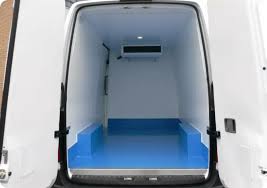
If you move fresh produce, dairy, frozen meat, pharmaceuticals, or catering supplies, you already know that a normal vehicle won’t do. You need controlled temperatures from pickup to drop-off. That is where a refrigerated vehicle comes in, and the first question most businesses ask is simple: what are the chiller van rental rates per km?
The honest answer is that rates vary. This guide explains how per-kilometre pricing works, what pushes the price up or down, and how to compare quotes so you don’t overpay.
What Is a Chiller Van?
A chiller van is a delivery vehicle fitted with an insulated cargo area and a refrigeration unit. It typically holds temperatures between +2°C and +8°C for chilled goods. A freezer van, sometimes called a reefer, goes much lower, often to -18°C or -25°C, for frozen products.
Many rental companies use the terms “chiller van” and “refrigerated van” interchangeably, so always confirm the exact temperature range you need before you book.
How Chiller Van Rental Rates Per KM Work
Most rental providers use one of three pricing models:
1. Per-kilometre pricing. You pay a fixed rate for every kilometre driven. This suits one-way deliveries and irregular routes, because you only pay for the distance you actually cover.
2. Daily or hourly rate plus kilometres. You pay a base fee for the day, with a set number of included kilometres. Anything beyond that limit is charged at a per-km rate.
3. Fixed trip pricing. The provider quotes a flat price for a specific route. This is common for city-to-city deliveries.
Per-km pricing is popular because it is transparent and easy to budget. A simple estimate looks like this:
Total cost = (Rate per km × Total distance) + Extras
Extras can include driver fees, fuel adjustments, tolls, waiting time, and refrigeration running charges.
Factors That Affect Chiller Van Rental Rates Per KM
Two quotes for the same distance can look very different. Here is why.
Vehicle Size and Capacity
A small chiller van for last-mile deliveries costs less per km than a large refrigerated truck. Bigger vehicles burn more fuel and cost more to maintain, and rates reflect that.
Temperature Requirement
Holding frozen temperatures takes more energy than holding chilled ones. Expect higher rates for freezer vans than for standard chiller vans.
Distance and Route
Longer trips often get a lower per-km rate because the provider spreads fixed costs over more distance. Short city runs with heavy traffic and multiple stops usually cost more per km.
Fuel Prices
Fuel is one of the biggest running costs. When fuel prices rise, most providers adjust their per-km rates, so quotes can change from month to month.
Driver Inclusion
Some rentals are self-drive, while others include a professional driver. A driver adds to the cost but brings experience in handling temperature-sensitive cargo.
Waiting and Loading Time
If the van waits at a warehouse or market while goods are loaded, some providers charge for that time, and the refrigeration unit keeps running the whole while.
Return Trip
For one-way deliveries, providers often factor in the empty return journey. If you can arrange a return load, you may negotiate a better rate.
Season and Demand
Festivals, summer heat, and peak food seasons increase demand for refrigerated transport, and prices can rise with it.
How to Compare Chiller Van Quotes
A low per-km number doesn’t always mean a low total bill. Use this checklist when comparing providers:
- Does the rate include fuel, or is fuel billed separately?
- Is the driver included?
- Are tolls and parking covered?
- What is the minimum charge or minimum distance?
- Is there a waiting-time fee?
- What temperature range is guaranteed, and can they show temperature logs?
- Is the vehicle insured for cargo damage or spoilage?
Ask for a written quote that lists every charge, so nothing surprises you at the end of the trip.
Tips to Reduce Your Chiller Van Rental Costs
Plan routes carefully. Group deliveries in the same area to cut total kilometres.
Book in advance. Last-minute bookings usually cost more, especially in peak season.
Choose the right size. Renting a van that is too large wastes money, while one that is too small forces extra trips.
Consider long-term contracts. If you deliver regularly, monthly or contract rates are often cheaper than one-off bookings.
Pre-cool the vehicle. Loading warm goods into a warm van makes the refrigeration unit work harder and risks spoilage. Pre-cooling protects your products.
Ask about return loads. Sharing a route with a backhaul can lower your effective per-km cost.
Who Uses Chiller Van Rentals?
Chiller vans serve a wide range of industries:
- Restaurants, hotels, and catering companies
- Dairy and ice cream distributors
- Fruit and vegetable suppliers
- Meat, poultry, and seafood traders
- Pharmacies and medical suppliers
- Event organisers and wedding caterers
- Supermarkets and grocery chains
For all of them, a broken cold chain means wasted stock and lost money, so reliability matters as much as price.
Choosing a Reliable Chiller Van Provider
Price is important, but it shouldn’t be the only factor. Look for a provider with well-maintained vehicles, working temperature monitoring, trained drivers, and a good record of on-time delivery. Ask for references or reviews from other businesses in your industry. A slightly higher per-km rate is often cheaper than losing a load to spoilage.
Final Thoughts
Understanding chiller van rental rates per km helps you budget accurately and negotiate with confidence. Remember that the rate depends on vehicle size, temperature needs, distance, fuel, and extras like drivers and waiting time. Always request a detailed quote, compare more than one provider, and confirm what is included before you commit.
With careful planning, you can keep your goods fresh, your customers happy, and your transport costs under control.
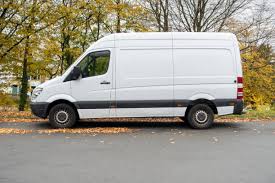
Frequently Asked Questions (FAQs)
1. How are chiller van rental rates per km calculated?
Providers multiply a set rate by the distance travelled, then add extras such as driver fees, fuel adjustments, tolls, and waiting time. The base rate depends on vehicle size, temperature setting, and route.
2. Is per-km pricing cheaper than a daily rental rate?
It depends on your usage. Per-km pricing suits short or irregular trips, while a daily rate with included kilometres can be cheaper for long routes or multiple stops in one day.
3. Does the rental rate include fuel and the driver?
Not always. Some quotes include both, some include only one, and some charge them separately. Always ask for a fully itemised quote before booking.
4. What is the difference between a chiller van and a freezer van?
A chiller van keeps goods cool, usually between +2°C and +8°C, for items like dairy and fresh produce. A freezer van keeps goods frozen at temperatures such as -18°C or lower, for items like frozen meat and ice cream.
5. How can I get the lowest chiller van rental rate per km?
Book early, plan efficient routes, choose the right vehicle size, and ask about contract or return-load discounts. Comparing quotes from several providers also helps.