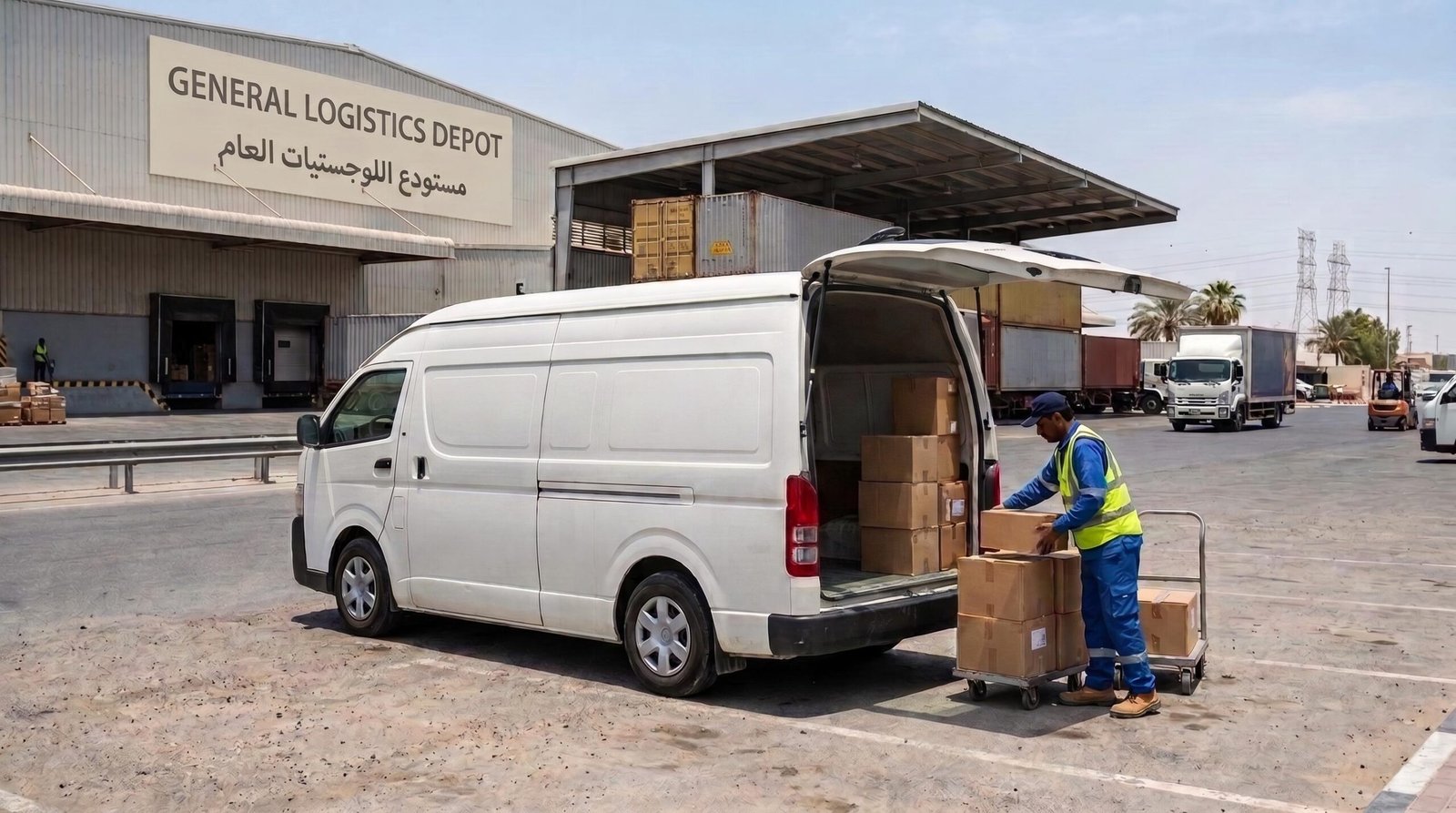
Dubai’s perishable goods economy runs on one thing above all else: an unbroken cold chain. Between blistering summer heat, a booming food delivery scene, and a fast-growing pharmaceutical sector, the Dubai chiller van market trends 2026 are being shaped by rising demand, smarter technology, and tighter compliance. Whether you run a bakery, a seafood distributor, or a pharmacy chain, understanding where this market is headed can help you plan your logistics budget and avoid costly spoilage.
Why Chiller Vans Matter More Than Ever in Dubai
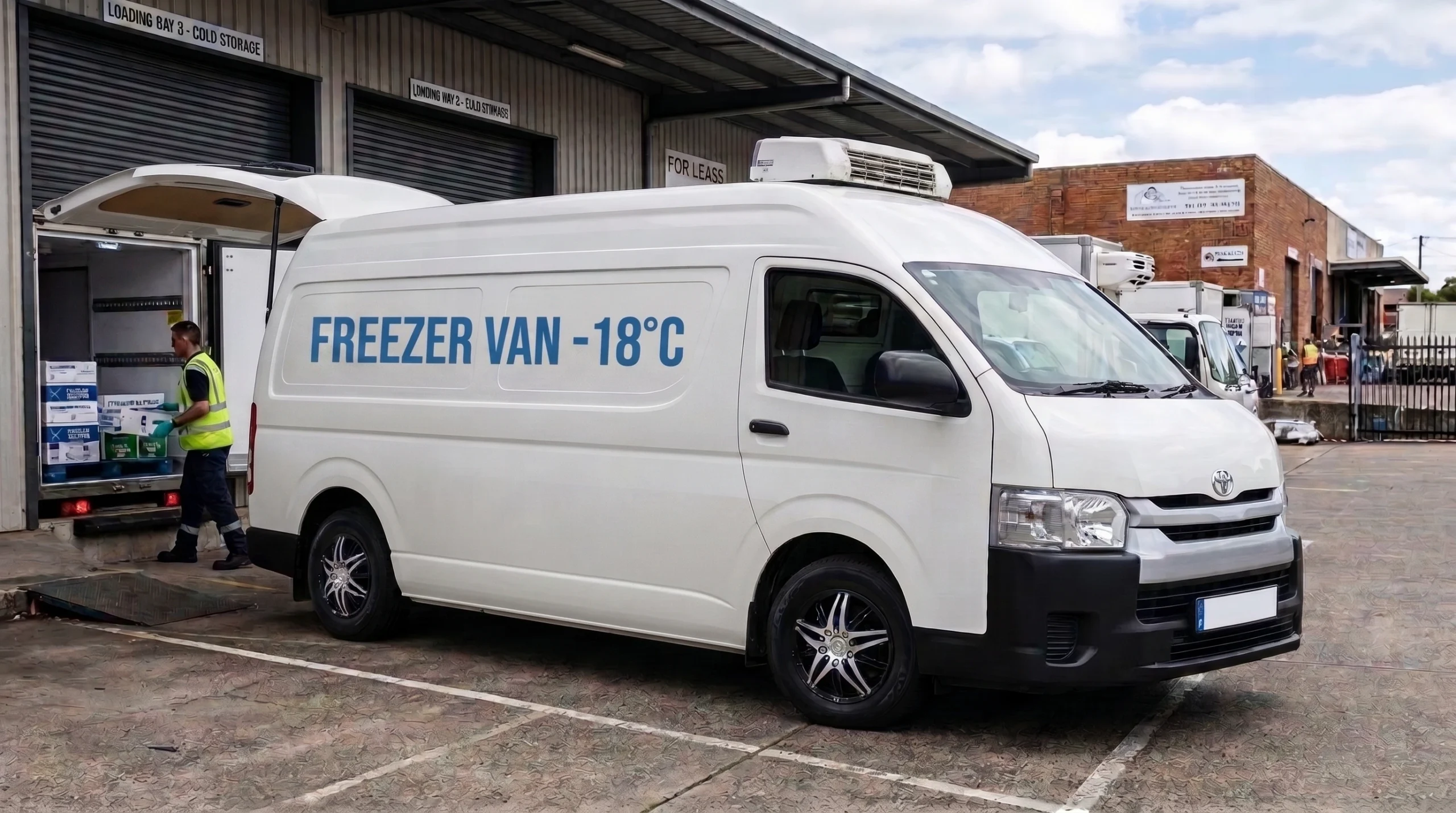
Dubai’s climate leaves no room for error when transporting temperature-sensitive goods. A standard delivery van simply cannot protect dairy, seafood, flowers, or medicine from the region’s extreme heat. That’s why chiller vans vehicles engineered to hold steady temperatures between roughly +10°C and −18°C have become essential infrastructure rather than a luxury add-on <cite index=”3-1″>for transporting temperature-sensitive goods like fresh food, frozen meat, dairy products, flowers, and pharmaceuticals across Dubai and Abu Dhabi</cite>.
The Bigger Picture: A Cold Chain Market on the Rise
Chiller van demand doesn’t exist in isolation it’s riding the wave of a much larger cold chain logistics boom across the UAE. Multiple industry reports point to steady, sustained growth through the end of the decade, with estimates for the overall UAE cold chain logistics market ranging between roughly 5.8% and 9.4% CAGR depending on scope and methodology, and total market value projections stretching well into the billions of dollars by the early 2030s.
A few forces are driving this expansion:
- E-commerce and online grocery growth. <cite index=”9-1″>Rapid growth of online grocery platforms, food delivery apps, and direct-to-consumer retail channels is increasing the need for reliable cold chain infrastructure capable of maintaining product quality during transportation and last-mile delivery.</cite>
- Pharmaceutical and healthcare expansion. <cite index=”13-1″>Pharmaceutical distribution networks are scaling refrigerated capacity to serve hospital systems and specialty drug importers, while mandatory temperature-tracking protocols for medical shipments are tightening compliance requirements across logistics providers.</cite>
- Infrastructure investment. <cite index=”10-1″>A major land lease signed in mid-2025 for a 100,000-square-meter intelligent refrigerated vehicle facility is linking warehousing ecosystems with next-generation cold mobility</cite>, signaling long-term confidence in the sector.
- Regional trade hub status. <cite index=”13-1″>Demand is concentrating around Dubai’s Jebel Ali corridor, where bonded cold storage clusters support re-export flows to markets like Saudi Arabia and Egypt.</cite>
Key Trends Shaping the Chiller Van Market in 2026
1. Smart Monitoring Is Becoming Standard
<cite index=”9-1″>Cold chain operators are increasingly integrating IoT-enabled sensors, RFID tracking, and real-time monitoring systems to improve visibility, reduce spoilage risk, and ensure regulatory compliance.</cite> For chiller van renters, this means many providers now offer GPS-tracked vehicles with live temperature logs as a default rather than a premium feature useful for HACCP audits and client trust alike.
2. Flexible Rental Models Over Fleet Ownership
Rather than buying and maintaining their own refrigerated fleets, more Dubai SMEs are turning to rental. <cite index=”1-1″>This shift offers zero maintenance costs since providers replace faulty vehicles before they cause spoilage, and it makes compliance easier because rentals are typically HACCP certified and meet Dubai Municipality standards.</cite> Daily, weekly, and monthly plans give businesses room to scale up during peak seasons and scale back when demand dips.
3. Seasonal and Event-Driven Demand Spikes
Rental flexibility isn’t just about cost it’s about timing. <cite index=”1-1″>Businesses are increasingly scaling their chiller van fleets around Ramadan, festive seasons, and the summer months</cite>, when catering orders, floral deliveries, and grocery volumes surge.
4. Pricing Stays Competitive Despite Rising Demand
Even as overall cold chain investment climbs, chiller van rental rates in Dubai have stayed relatively accessible thanks to growing competition among providers. Typical market rates in 2026 hover around AED 250–350 per day for a standard chiller van, with monthly contracts often bringing the effective daily cost down further, and larger refrigerated trucks (3–10 tons) starting closer to AED 350 per day for bulk cold-chain runs.
5. Sustainability Enters the Conversation
<cite index=”9-1″>Growing emphasis on sustainability is encouraging investment in energy-efficient refrigeration systems, fuel-efficient refrigerated vehicles, and more environmentally responsible logistics practices</cite> a trend that’s likely to influence fleet upgrades over the next few years as operators look to cut both emissions and fuel costs.
6. Specialized Vehicles for Niche Sectors
From dual-zone vans that carry both chilled and frozen goods simultaneously to tail-lift-equipped vehicles for heavier loads, providers are diversifying their fleets to match specific industries restaurants, fish markets, pharmacies, and hotel groups each have distinct temperature and handling needs.
What This Means for Your Business
If you’re planning cold chain logistics in Dubai for the rest of 2026, a few practical takeaways stand out:
- Compare rental tiers carefully. Daily rentals often bundle fuel, while monthly contracts usually require separate fuel payment factor this into your true cost comparison.
- Prioritize HACCP-certified providers. With compliance requirements tightening, especially for food and pharma, certification isn’t optional.
- Ask about IoT temperature tracking. It protects your product and gives you an audit trail if a client or regulator ever questions your cold chain integrity.
- Plan for seasonal surges early. Ramadan and summer demand can tighten availability, so booking ahead secures better rates and vehicle choice.
Final Thoughts
The Dubai chiller van market trends 2026 point to a sector that’s maturing fast driven by e-commerce, pharmaceutical growth, and a regional push toward smarter, greener cold chain infrastructure. For businesses handling perishable or temperature-sensitive goods, staying on top of these shifts isn’t just about saving money on rental rates; it’s about protecting product quality, meeting compliance standards, and keeping customers confident in every delivery.
Frequently Asked Questions
1. What is the average cost of chiller van rental in Dubai in 2026?
Rates generally range from around AED 250 to 350 per day for a standard chiller van, with monthly rentals often working out cheaper per day. Larger refrigerated trucks for bulk cargo typically start a bit higher.
2. What temperature range do Dubai chiller vans typically maintain?
Most chiller vans maintain temperatures between roughly +10°C and −18°C, covering both chilled goods like dairy and produce and frozen items like meat or ice cream.
3. Is it better to rent or buy a chiller van for a small business in Dubai?
For most SMEs, renting is more practical. It avoids maintenance costs, keeps you compliant with HACCP and Dubai Municipality standards, and lets you scale your fleet up or down with seasonal demand.
4. Why is the UAE cold chain logistics market growing so quickly?
Growth is driven by rising e-commerce and online grocery demand, expanding pharmaceutical distribution networks, and continued investment in refrigerated warehousing and transport infrastructure across the region.
5. Do chiller van rentals in Dubai include a driver?
Most providers include a professional driver by default, which saves businesses the hassle of visas, insurance, and training. Self-drive options are usually available too, though they tend to cost more.