
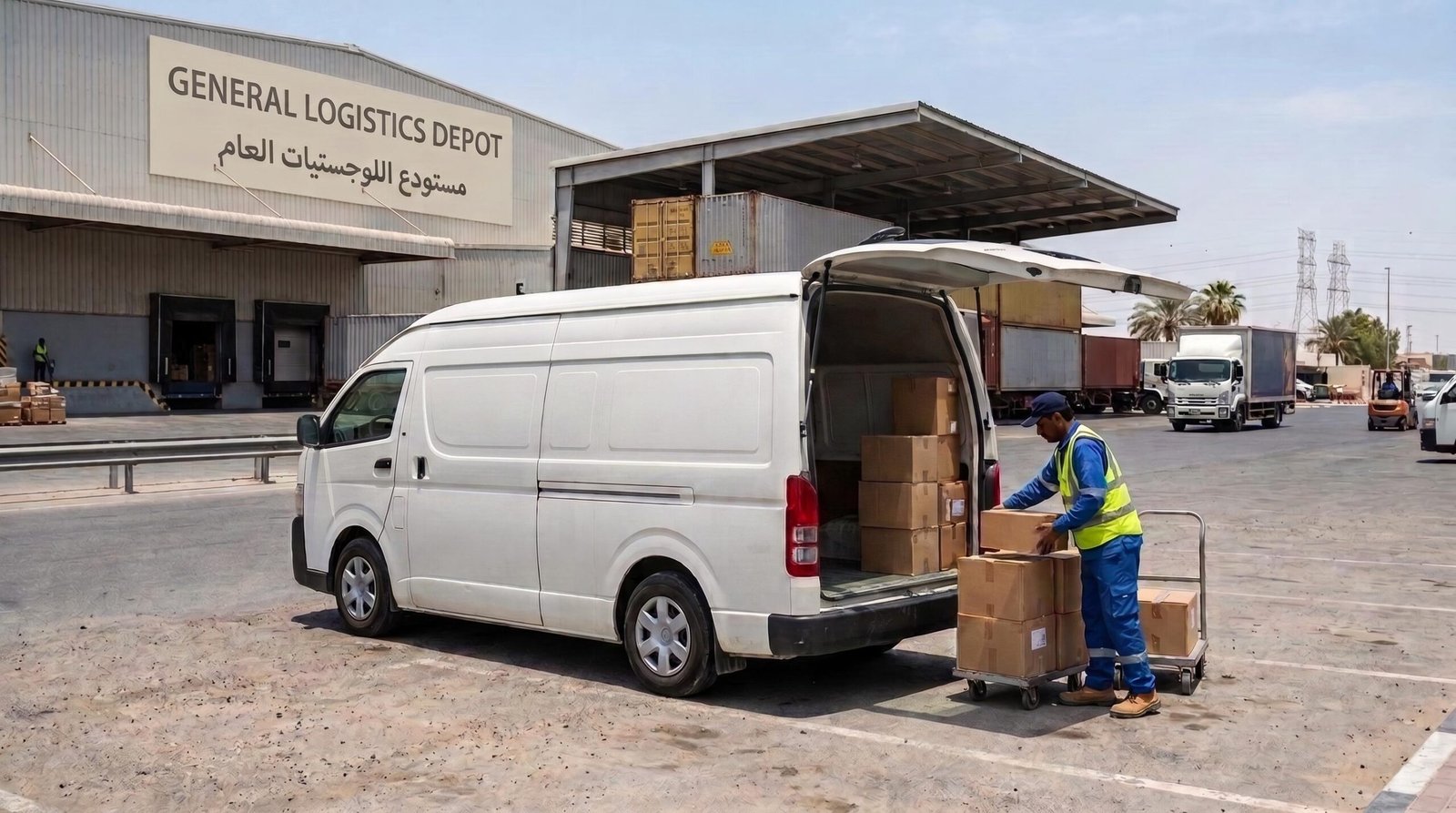
Grocery shopping has changed dramatically over the last few years. Instead of pushing a cart through crowded aisles, more people are choosing to order online and let a supermarket cold delivery service bring fresh produce, dairy, meat, and frozen goods straight to their homes. But keeping perishable items fresh during transit isn’t as simple as tossing groceries into a van. It requires a carefully managed cold chain, specialized packaging, and reliable logistics.
In this article, we’ll explore what a supermarket cold delivery service actually is, why it matters, how it works behind the scenes, and what to look for when choosing a provider you can trust.
What Is a Supermarket Cold Delivery Service?
A supermarket cold delivery service is a logistics solution designed to transport temperature-sensitive groceries such as fruits, vegetables, dairy, frozen foods, and meat from a supermarket or distribution center to a customer’s doorstep while maintaining the correct temperature throughout the journey. Unlike standard parcel delivery, this type of service relies on refrigerated vehicles, insulated packaging, and time-sensitive routing to ensure food safety and quality.
This service has become essential for busy households, elderly customers, people with mobility challenges, and anyone who simply wants to save time without sacrificing food freshness.
Why Cold Delivery Matters So Much
Perishable food is extremely sensitive to temperature fluctuations. Even a short delay or a warm delivery van can cause:
- Spoilage of dairy and meat products
- Loss of texture and taste in fruits and vegetables
- Melting or refreezing of frozen items, which affects safety
- Increased risk of bacterial growth
A well-managed cold delivery system prevents these issues by maintaining a consistent temperature from the moment items leave the store shelf to the moment they arrive at your kitchen.
How Supermarket Cold Delivery Services Work
1. Order Picking and Packing
Once an order is placed online, staff pick items from refrigerated or frozen storage areas. Cold items are immediately packed into insulated bags or boxes, often with ice packs or gel packs to maintain temperature.
2. Temperature-Controlled Vehicles
Delivery vans used for cold grocery delivery are equipped with refrigeration units that keep the cargo area at specific temperature zones one for chilled items and another for frozen goods.
3. Route Optimization
Smart routing software ensures the shortest, most efficient delivery paths, minimizing the time groceries spend in transit and reducing the risk of temperature loss.
4. Real-Time Monitoring
Many modern services use sensors to track internal vehicle temperature in real time, alerting drivers or dispatchers if anything falls outside the safe range.
5. Doorstep Delivery
Upon arrival, delivery personnel are trained to hand over cold items promptly, sometimes offering contactless delivery with instructions to refrigerate immediately.
Benefits of Using a Supermarket Cold Delivery Service
Convenience: Skip the trip to the store entirely. Order from your phone or laptop and receive groceries at a time that suits you.
Freshness Guarantee: Reputable services prioritize the cold chain, so your food arrives as fresh as if you’d picked it up yourself.
Time-Saving: No more waiting in checkout lines or navigating crowded parking lots.
Accessibility: Ideal for elderly individuals, people with disabilities, or anyone unable to carry heavy grocery bags.
Reduced Food Waste: Proper cold handling means less spoilage, which benefits both your wallet and the environment.
Wider Selection: Many cold delivery platforms offer access to specialty or seasonal items not always available in local stores.
How to Choose the Right Cold Delivery Provider
When selecting a supermarket cold delivery service, consider the following:
- Delivery Window Flexibility: Look for services offering same-day or scheduled delivery slots.
- Packaging Quality: Check if they use insulated packaging and ice packs for chilled and frozen items.
- Customer Reviews: Read feedback about freshness and punctuality.
- Coverage Area: Confirm they deliver to your specific location.
- Return or Refund Policy: A trustworthy service should offer replacements or refunds for spoiled items.
- Tracking Options: Real-time order tracking adds transparency and peace of mind.
Tips for Customers Using Cold Delivery Services
- Schedule deliveries for times when someone is home to receive them immediately.
- Refrigerate or freeze items as soon as they arrive.
- Inspect frozen goods for signs of thawing and refreezing.
- Keep delivery instructions clear, especially for apartment buildings or gated communities.
- Report any temperature-related issues promptly to the provider.
The Future of Cold Grocery Delivery
As demand for online grocery shopping continues to grow, supermarket cold delivery services are investing in smarter technology from AI-powered route planning to eco-friendly insulated packaging and electric refrigerated vans. These innovations aim to reduce delivery times, cut carbon footprints, and further improve food safety standards.
Final Thoughts
A dependable supermarket cold delivery service bridges the gap between convenience and quality, ensuring that fresh groceries reach your home in the same condition they left the store. Whether you’re a busy professional, a parent juggling multiple responsibilities, or simply someone who prefers shopping from home, understanding how cold delivery works can help you make smarter choices and enjoy fresher food every time.
Frequently Asked Questions (FAQs)
1. What is a supermarket cold delivery service?
It’s a delivery system that transports temperature-sensitive groceries like dairy, meat, and frozen food using refrigerated vehicles and insulated packaging to maintain freshness.
2. How do supermarkets keep groceries cold during delivery?
They use refrigerated delivery vans, insulated packaging, ice packs, and real-time temperature monitoring to maintain safe temperatures throughout transit.
3. Is cold grocery delivery safe for frozen food?
Yes, as long as the provider uses proper insulated packaging and refrigerated transport, frozen food remains safe and maintains its quality upon arrival.
4. How long does a supermarket cold delivery service take?
Delivery times vary by provider, but many offer same-day or next-day delivery, with some providing scheduled time slots for added convenience.
5. What should I do if my delivered groceries arrive warm or spoiled?
Contact the delivery provider immediately to report the issue. Most reputable services offer refunds or replacements for spoiled or improperly delivered items.