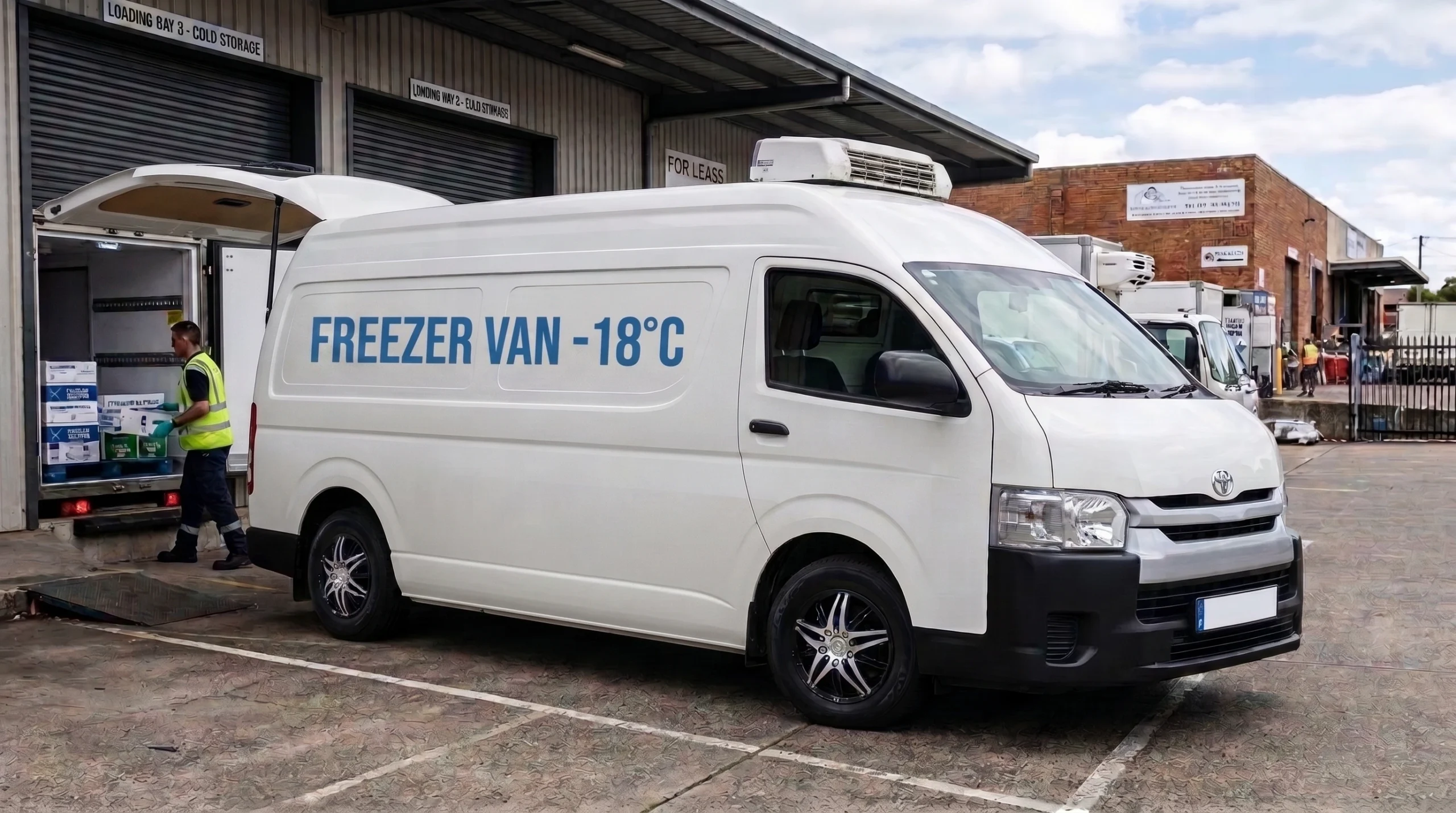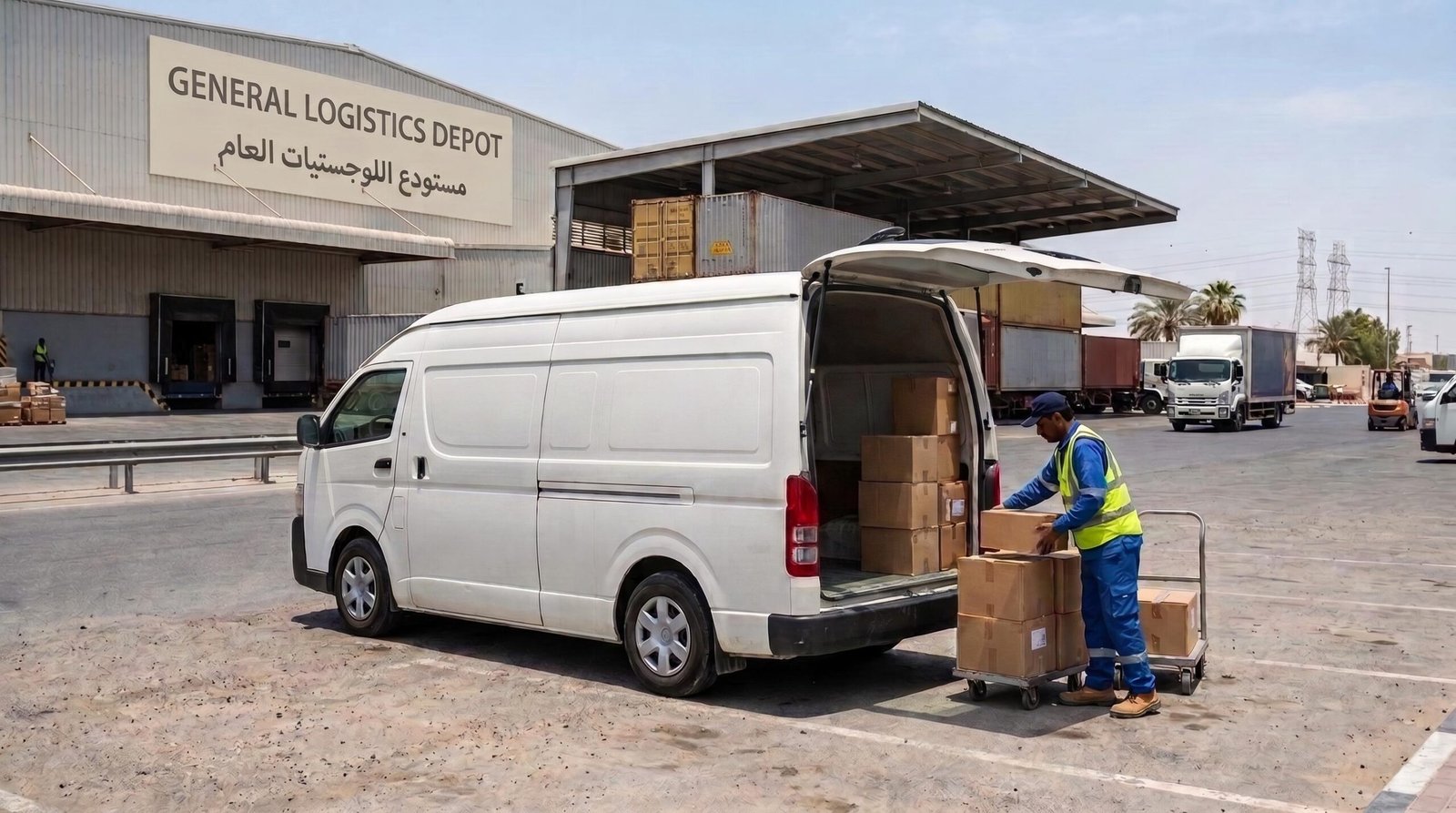
For businesses that move perishable goods on a regular basis, the question eventually comes up: should you buy a refrigerated van outright, or rent one? If your delivery needs are consistent but you’d rather avoid the costs and responsibilities of fleet ownership, long-term chiller van rental offers a middle path dependable cold-chain transport without the heavy upfront investment.
This guide walks through what long-term chiller van rental involves, who it’s best suited for, and what to check before signing a longer rental agreement.
What Is Long-Term Chiller Van Rental?
Long-term chiller van rental refers to renting a refrigerated vehicle for an extended period, typically ranging from a few weeks to several months or even years, rather than booking it for a single trip or short-term use. Unlike daily or hourly rentals, long-term agreements are built for businesses with ongoing, predictable cold-chain transport needs.
This model works well for:
- Grocery chains and supermarkets with regular restocking routes
- Food distributors supplying restaurants, hotels, or catering businesses
- Dairy and beverage companies with daily or weekly delivery schedules
- Pharmaceutical companies transporting temperature-sensitive stock
- Seasonal businesses needing extended coverage during peak demand periods
Why Choose Long-Term Rental Over Short-Term or Ownership?
1. Lower cost per day compared to short-term rentals Rental providers typically offer discounted daily rates for longer commitments, since it reduces their turnover and administrative overhead. Over several months, this can add up to significant savings compared to repeated short-term bookings.
2. No large upfront capital investment Buying a refrigerated van means a substantial upfront cost, plus depreciation over time. Long-term rental spreads that cost into manageable periodic payments, freeing up capital for other parts of your business.
3. Maintenance is usually included Most long-term rental agreements include servicing and maintenance of both the vehicle and the cooling unit, saving you from unexpected repair costs and downtime coordination.
4. Flexibility to scale If your delivery volume changes, long-term rental agreements are often easier to renegotiate or adjust than selling and buying vehicles outright. You can upsize, downsize, or add vans as your business grows.
5. Access to newer, well-maintained vehicles Rental providers regularly update their fleet, meaning you often get access to better-maintained or newer vans than you might justify purchasing outright for your budget.
What to Look for in a Long-Term Chiller Van Rental Agreement
Before signing a longer-term contract, review these key points carefully:
- Rental duration and renewal terms: Understand the minimum commitment period and what happens at renewal does the rate change, and how much notice is required to end the agreement?
- Maintenance and servicing responsibility: Confirm whether routine maintenance, cooling unit servicing, and repairs are covered by the provider or fall on you.
- Replacement vehicle policy: Ask what happens if the van breaks down. A good long-term provider should offer a replacement vehicle with minimal delay.
- Mileage limits: Some long-term plans include a mileage cap; going over it can result in additional charges, so estimate your monthly mileage realistically.
- Insurance coverage: Confirm what’s included, especially cargo insurance for spoilage due to mechanical failure.
- Temperature range and unit specifications: Make sure the cooling unit matches your product’s temperature requirements, whether that’s chiller range (0°C–10°C) or lower.
- Exit clauses: Understand the penalties, if any, for ending the rental early in case your business needs change.
Long-Term Rental vs. Buying: A Quick Comparison
| Factor | Long-Term Rental | Buying |
|---|---|---|
| Upfront cost | Low to moderate | High |
| Maintenance responsibility | Usually provider’s | Yours |
| Flexibility to scale | High | Low |
| Depreciation risk | None | Yours to bear |
| Long-term cost (5+ years) | Can be higher | Can be lower |
| Vehicle customization | Limited | Full control |
If your business has stable, long-term cold-chain needs stretching beyond five years and you have the capital available, buying may eventually be more cost-effective. But for most growing or mid-sized businesses, long-term rental offers a better balance of cost, flexibility, and reduced operational burden.
Tips to Get the Best Value from Long-Term Chiller Van Rental
- Negotiate based on volume: If you need multiple vans, ask about fleet discounts.
- Review usage patterns before committing: Track your actual delivery frequency and mileage for a month before locking into a long-term plan, so you choose the right vehicle size and rental terms.
- Ask about seasonal flexibility: Some providers allow temporary upsizing during peak seasons without renegotiating the entire contract.
- Request maintenance records: Ask to see the service history of the specific van’s cooling unit before signing, especially for older vehicles.
Final Thoughts
Long-term chiller van rental gives businesses with steady cold-chain transport needs a practical way to access reliable refrigerated vehicles without the financial weight of ownership. It reduces upfront costs, shifts maintenance responsibility to the provider, and offers the flexibility to adjust as your business evolves.
Before signing any agreement, take time to compare providers, review the fine print on mileage and maintenance, and make sure the cooling unit specifications genuinely match what your products need.

Frequently Asked Questions
1. How long does a “long-term” chiller van rental typically last?
Long-term rentals generally range from a few weeks to several months, though many providers also offer yearly agreements for businesses with consistent, ongoing cold-chain transport needs.
2. Is long-term chiller van rental cheaper than short-term rental?
Yes, in most cases. Providers typically offer a lower daily rate for extended commitments since it reduces vehicle turnover and administrative work on their end.
3. Does long-term rental include maintenance and repairs?
Most long-term rental agreements include routine maintenance and cooling unit servicing, though it’s important to confirm this in writing before signing, as terms vary between providers.
4. Can I switch to a different van size during a long-term rental?
Many providers allow upsizing or downsizing during the rental period, especially for seasonal demand changes, but this depends on the specific agreement. Always clarify this before committing.
5. What happens if the chiller van breaks down during a long-term rental?
Reliable providers typically offer a replacement vehicle with minimal downtime. Always confirm this policy, along with expected response times, before signing a long-term agreement.