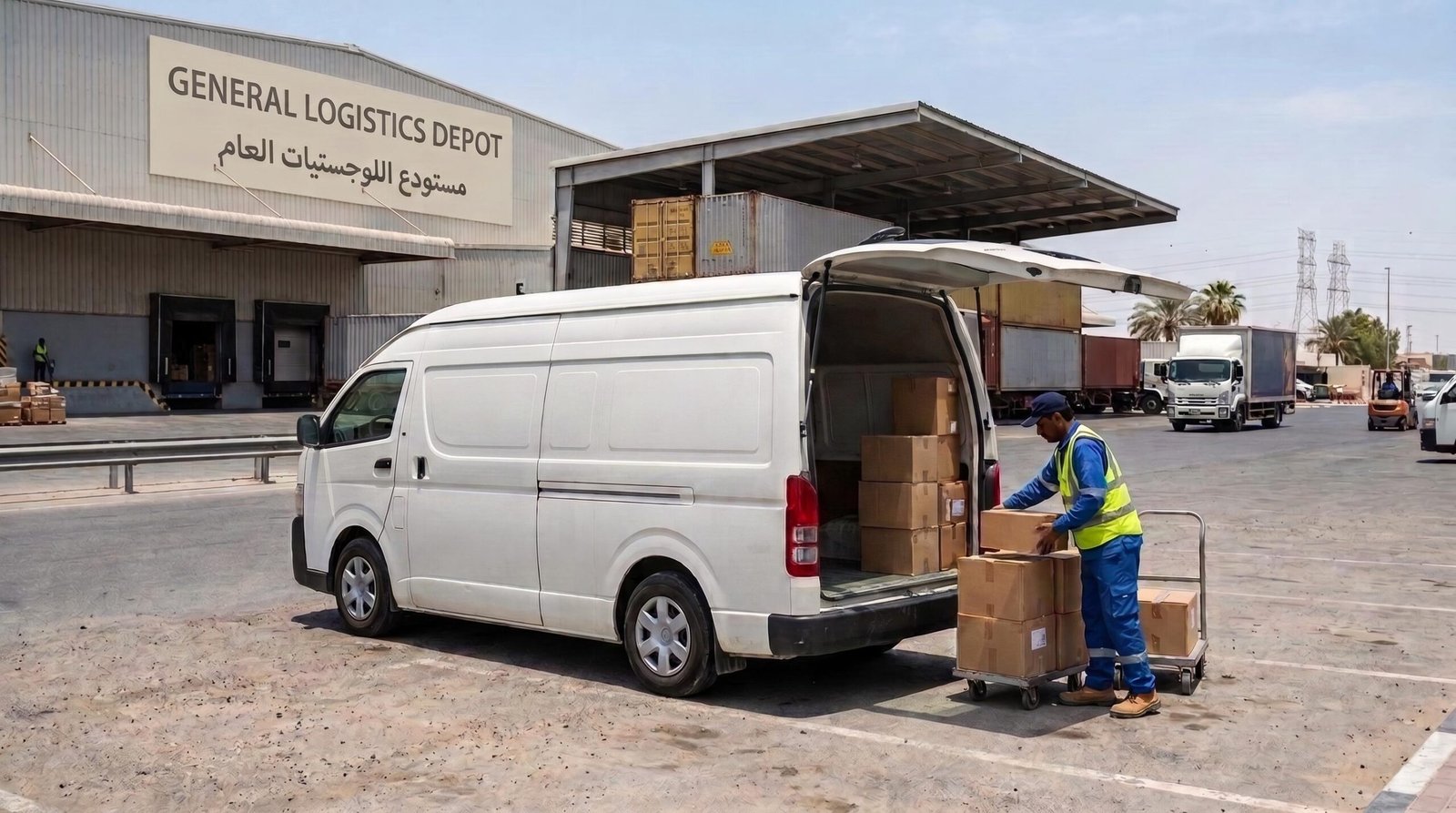
Transporting frozen goods over long or variable distances requires a pricing model that’s fair for both short trips and longer hauls. That’s why many logistics companies and businesses search specifically for freezer van rent per km instead of a flat daily rate. Per-kilometer pricing lets you pay based on actual distance traveled, which can be more cost-effective for businesses with irregular or long-distance delivery routes.
This guide explains how per-km freezer van pricing works, what factors influence the rate, and how to choose the most cost-efficient rental option for your business.
What Is a Freezer Van?
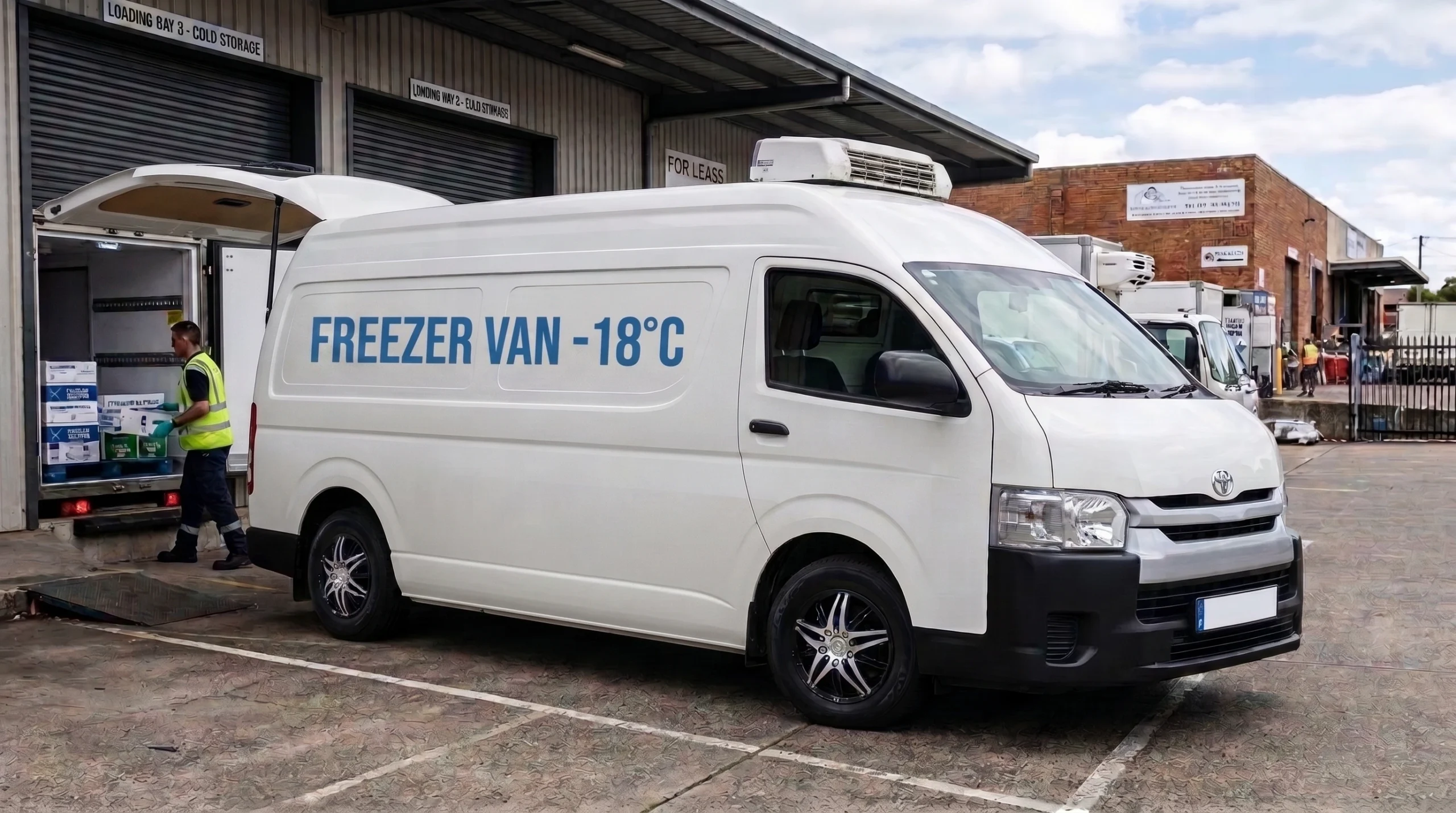
A freezer van is a specially insulated vehicle equipped with a refrigeration unit capable of maintaining sub-zero temperatures, typically between -18°C and -25°C. Unlike chiller vans, which keep goods cool but not frozen, freezer vans are built for transporting items that must remain completely frozen throughout the journey think frozen meat, seafood, ice cream, frozen vegetables, and certain pharmaceuticals or vaccines.
Why Choose Per-Km Pricing Over a Flat Daily Rate?
Not every business trip fits neatly into a “per day” rental model. Per-km pricing offers a few clear advantages:
- Pay for what you use — ideal if your routes vary in length from day to day
- Better for long-distance or intercity trips — costs scale directly with distance
- Easier budgeting for logistics companies — helps calculate delivery costs per order
- No wasted spend on idle time — you’re billed for actual movement, not just vehicle possession
Factors That Affect Freezer Van Rent Per Km Price
Several variables influence how much you’ll pay per kilometer:
1. Van Size and Load Capacity
Larger freezer vans with higher payload capacity generally come with a higher per-km rate, since they consume more fuel and require stronger refrigeration units to maintain temperature over long distances.
2. Total Distance of the Trip
Many rental providers offer tiered pricing the per-km rate may decrease slightly for longer trips, since fixed costs (like driver allowance) get spread across more kilometers.
3. Route Type
Highway routes are often cheaper per km than city routes with heavy traffic, since fuel efficiency and travel time differ significantly between the two.
4. Temperature Requirements
Deep-freeze requirements (well below -18°C) demand more powerful refrigeration units, which can increase the per-km cost compared to standard freezer settings.
5. Driver Inclusion
A per-km rate that includes a trained driver will typically cost more than a self-drive option, but it often makes sense for interstate or long-haul routes where driver expertise with refrigerated cargo matters.
6. Fuel and Toll Charges
Some providers bundle fuel and toll costs into the per-km rate, while others charge them separately. Always clarify this before confirming a booking, as it significantly affects the total cost.
7. Return Trip Policy
Some rental companies charge for the return leg of the journey even if the van is empty (“empty running” charges), which can affect your total per-km cost for round trips.
Typical Price Range
Because freezer van per-km rates depend heavily on size, route, and provider, there’s no single fixed number that applies everywhere. However, a few general patterns hold true:
- Small freezer vans for short, local routes usually have the lowest per-km rates
- Medium freezer vans used for regional deliveries fall in a mid-range bracket
- Large freezer vans for interstate or bulk transport carry higher per-km rates due to fuel and capacity demands
To get an accurate figure, request quotes from at least two or three rental providers in your area and compare based on your specific route and load requirements.
Tips to Get the Best Freezer Van Rental Rate
- Plan your route in advance — knowing your exact distance helps you negotiate a fair per-km rate.
- Ask about minimum km charges — some providers apply a minimum distance charge even for shorter trips.
- Clarify what’s included — confirm whether fuel, tolls, and driver costs are part of the per-km rate.
- Compare multiple providers — rates can vary noticeably between companies for the same route.
- Check for empty-return charges — this can add significantly to your total cost on round trips.
- Negotiate for recurring routes — if you run the same route regularly, ask about discounted long-term rates.
How to Choose the Right Freezer Van Provider
Price shouldn’t be the only factor. Look for a provider that also offers:
- Well-maintained refrigeration units with reliable temperature control
- Transparent per-km pricing with no hidden charges
- GPS tracking for real-time shipment visibility
- Insurance coverage for cargo in transit
- Responsive support in case of breakdowns or delays
Final Thoughts
The freezer van rent per km model is a smart choice for businesses with variable or long-distance delivery needs, since it aligns cost directly with distance traveled. Rather than focusing only on the lowest per-km number, weigh it against vehicle reliability, included services, and hidden charges. A slightly higher rate from a dependable provider can save you money in the long run by preventing spoilage, delays, or unexpected fees.
Whether you’re shipping frozen goods across town or across the country, comparing per-km quotes from trusted providers will help you find the most cost-effective option for your business.
Frequently Asked Questions (FAQs)
1. What is the average freezer van rent per km?
The per-km rate depends on van size, route type, and provider. Shorter, local routes with smaller vans tend to have lower rates, while long-distance trips with larger vans cost more per km. Request quotes from local providers for an accurate estimate.
2. Is per-km pricing cheaper than a flat daily rate for freezer vans?
It depends on your route. Per-km pricing is usually more cost-effective for long-distance or variable-distance trips, while flat daily rates may work out cheaper for multiple short trips within a single day.
3. Does the freezer van rent per km include fuel and tolls?
This varies by provider. Some include fuel and toll charges in the per-km rate, while others bill them separately. Always confirm this detail before booking to avoid unexpected costs.
4. What temperature does a freezer van maintain?
Freezer vans typically maintain temperatures between -18°C and -25°C, suitable for frozen meat, seafood, ice cream, and other items that must stay fully frozen during transport.
5. Are there extra charges for the return trip if the freezer van is empty?
Some providers charge “empty running” fees for the return leg of a round trip, even if no cargo is being transported. Ask about this policy upfront to accurately estimate your total cost.