Running a restaurant means juggling a hundred moving parts, and keeping frozen inventory fresh from supplier to storage is one of the trickiest. A single break in the cold chain can spoil an entire batch of meat, seafood, or dairy, costing money and risking food safety violations. That’s where a freezer van for restaurants comes in. Whether you’re a growing restaurant chain, a catering business, or a cloud kitchen scaling up delivery, understanding how these vehicles work and which one fits your business can save you thousands in wasted stock and unplanned downtime.
This guide breaks down everything you need to know: what a freezer van actually is, when to buy versus rent, the specs that matter most, and how to stay compliant with food safety standards.
What Is a Freezer Van?
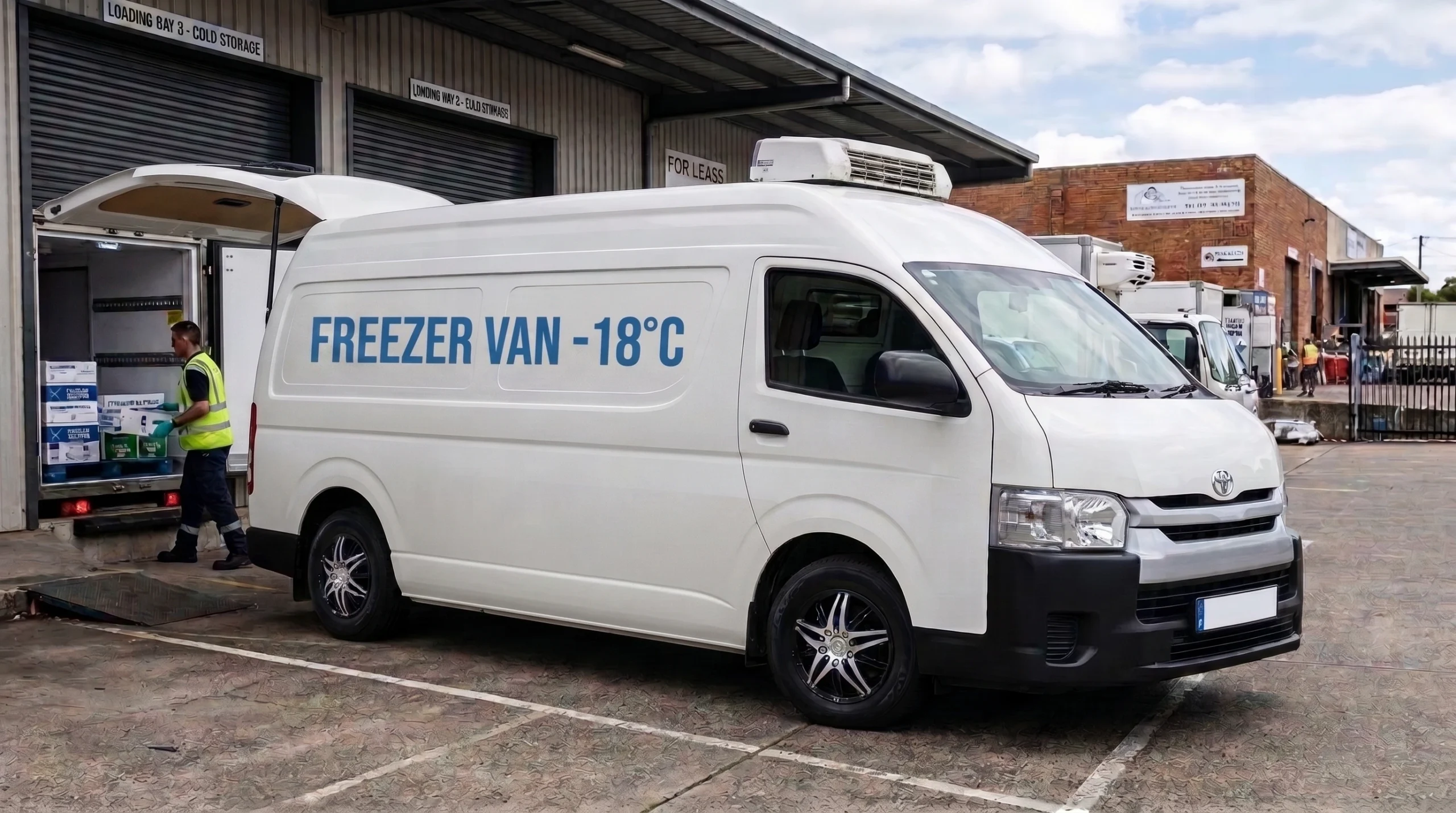
A freezer van, also called a reefer van, is a commercial vehicle fitted with an insulated cargo compartment and a refrigeration unit capable of holding temperatures as low as -18°C to -22°C. Unlike a standard chiller van, which keeps food cool, a freezer van is built to keep products fully frozen throughout transport critical for restaurants handling frozen meat, seafood, ice cream, or pre-prepared frozen meals.
These vans are used across the food supply chain: by wholesalers delivering to restaurants, by central kitchens supplying multiple branches, and increasingly by restaurants themselves running their own delivery fleets for frozen retail products.
Buying vs. Renting a Freezer Van
When Buying Makes Sense
If your restaurant regularly receives or ships large volumes of frozen goods say, a central commissary kitchen feeding several outlets owning a freezer van is usually more cost-effective over time. You avoid daily rental fees and gain full control over scheduling and maintenance.
When Renting Makes Sense
For seasonal spikes, one-off catering events, or restaurants just testing a frozen delivery service, renting is the smarter move. It keeps upfront costs low and lets you scale up or down based on demand without being locked into ownership costs like insurance, servicing, and depreciation.
The Third Option: Cold Chain Logistics Partners
Many restaurants skip vehicle ownership altogether and contract third-party cold chain logistics companies for per-delivery frozen transport. This works well for smaller operations that don’t need daily frozen shipments.
Key Specs to Look For
Not all freezer vans are built the same. Before choosing one, check these details:
- Temperature range and recovery time — how quickly it re-stabilizes after doors open
- Single vs. multi-temperature zones — useful if you’re transporting both chilled and frozen items in one trip
- Insulation quality — better insulation means lower fuel and energy costs
- Cargo capacity — matched to your typical order volume, not your biggest possible order
- Power source for the cooling unit — diesel-powered units are common, but electric standby units are quieter and cheaper to run while parked at a loading dock
- Backup alarms and monitoring — temperature failure alerts are non-negotiable for food safety
Food Safety and Compliance for Restaurants
Frozen food transport isn’t just about keeping things cold it’s a regulatory requirement. Most food safety authorities expect:
- Continuous temperature logging during transit
- HACCP-aligned documentation showing the cold chain was never broken
- Insurance that covers spoilage and contamination, not just vehicle damage
- Clear protocols for loading and unloading to minimize the time doors stay open
Restaurants that skip these steps risk more than spoiled stock they risk health code violations and reputational damage if a foodborne illness is ever traced back to a break in the cold chain.
Tips to Get More Value From Your Freezer Van
- Plan efficient delivery routes to reduce total transit time and door-opening frequency.
- Train staff on loading procedures so frozen goods go in fast and doors stay shut.
- Schedule regular maintenance checks on the refrigeration unit a failed compressor mid-route can wipe out an entire delivery.
- Track fuel and energy costs separately from other delivery vehicles to understand true cold chain expenses.
- Reassess rental vs. ownership annually as your order volume changes.
Conclusion
Choosing the right freezer van for your restaurant isn’t just a logistics decision it’s a food safety and cost-control decision that touches every frozen item you serve. Whether you decide to buy, rent, or partner with a cold chain logistics provider, the goal stays the same: protect your inventory, stay compliant, and keep your kitchen running without interruption. Take stock of your delivery volume, growth plans, and budget, and you’ll find the option that keeps your restaurant’s frozen supply chain and your bottom line in good shape.
Frequently Asked Questions
1. What temperature should a freezer van maintain for restaurant deliveries? Most frozen restaurant goods need to stay between -18°C and -22°C throughout transport to remain safe and compliant with food safety standards.
2. Is it cheaper to rent or buy a freezer van for a small restaurant? For occasional or seasonal frozen deliveries, renting is usually cheaper. If your restaurant handles frozen goods daily or supplies multiple locations, buying tends to save money long-term.
3. Can one freezer van carry both chilled and frozen items? Yes, if it has a multi-temperature zone system. This lets you separate chilled and frozen compartments within the same vehicle.
4. What documentation do restaurants need for frozen food transport? Most regions require temperature logs, HACCP-aligned records, and proof that the cold chain wasn’t broken during transit.
5. How do I know what size freezer van my restaurant needs? Base your choice on your typical order volume rather than your largest possible order — oversized vans waste fuel, while undersized ones limit growth.